Discover Versatility: Why an Adjustable Metal Workbench is Essential for Your Shop
Release time:
Feb 15,2025
Discover Versatility: Why an Adjustable Metal Workbench is Essential for Your Shop Introduction to Adjustable Metal Workbenches In today's fast-paced manufacturing environment, the tools we use can significantly impact our efficiency and productivity. Among these tools, the **adjustable metal workbench** stands out as an essential piece of equipment for any shop. This article explores the versatil

Discover Versatility: Why an Adjustable Metal Workbench is Essential for Your Shop
Introduction to Adjustable Metal Workbenches
In today's fast-paced manufacturing environment, the tools we use can significantly impact our efficiency and productivity. Among these tools, the **adjustable metal workbench** stands out as an essential piece of equipment for any shop. This article explores the versatility and advantages of incorporating an adjustable metal workbench into your workspace, demonstrating how it can meet various needs and enhance your workflow.
Table of Contents
- Benefits of Adjustable Metal Workbenches
- Key Features to Consider When Choosing a Workbench
- Different Types of Adjustable Metal Workbenches
- How to Select the Right Workbench for Your Shop
- Maintenance and Care Tips for Longevity
- Common Uses of Adjustable Metal Workbenches in the Workshop
- Frequently Asked Questions
- Conclusion
Benefits of Adjustable Metal Workbenches
Adjustable metal workbenches offer a plethora of benefits that make them a valuable addition to any shop. Here are some significant advantages:
Enhanced Flexibility and Adaptability
One of the most remarkable features of an adjustable metal workbench is its ability to adapt to different tasks. Whether you're working on small intricate pieces or handling larger items, an adjustable workbench allows you to modify its height and surface space accordingly. This flexibility ensures that you can work comfortably and effectively, reducing strain on your body.
Increased Ergonomics
Adjustable workbenches promote better posture and ergonomics. When you can adjust the height, you can maintain a comfortable working position, which minimizes the risk of injuries associated with prolonged standing or awkward bending. This focus on ergonomics not only enhances comfort but also boosts overall productivity.
Durability and Sturdiness
Made from high-quality materials like steel or heavy-duty metal, adjustable workbenches are designed to withstand the demands of any workshop. Their robust construction ensures that they can handle extensive workloads and resist wear and tear, making them a long-term investment for your shop.
Key Features to Consider When Choosing a Workbench
When selecting an adjustable metal workbench, it's essential to consider various features that ensure it meets your specific needs. Here are some critical factors to evaluate:
Weight Capacity
Assess the weight capacity of the workbench. Depending on your tasks, you may need a bench that can support heavier loads. Look for models with specified weight limits that align with your workshop requirements.
Height Adjustment Mechanism
Different workbenches offer various methods for height adjustment. Some may use manual cranks, while others feature pneumatic or electric lifts. Choose a mechanism that suits your preferences for ease of use and convenience.
Surface Material
The surface material of the workbench can significantly impact its usability. Metal surfaces are durable and easy to clean, while other materials may provide additional cushioning. Consider what best fits your project needs.
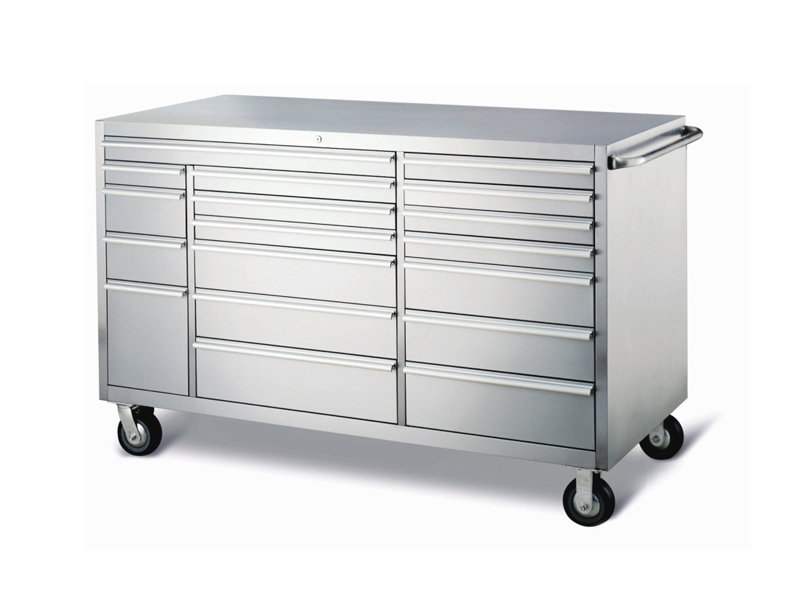
Storage Options
Many adjustable workbenches come with built-in storage solutions such as drawers, shelves, or pegboards. Evaluate how much storage space you need to keep your tools organized and easily accessible.
Portability
If your workshop requires flexibility in moving equipment around, consider a workbench with wheels or a foldable design. Portability can help you optimize your workspace for different projects.
Different Types of Adjustable Metal Workbenches
There are various types of adjustable metal workbenches available to suit different applications and preferences. Here, we explore some common types:
Industrial Workbenches
Designed for heavy-duty tasks, industrial workbenches are built to handle substantial weight and rigorous use. They often feature reinforced frames and a robust surface, making them ideal for manufacturing environments.
Folding Workbenches
Folding workbenches are excellent for those with limited space. They can be easily collapsed and stored away when not in use, making them a versatile option for smaller workshops or homes.
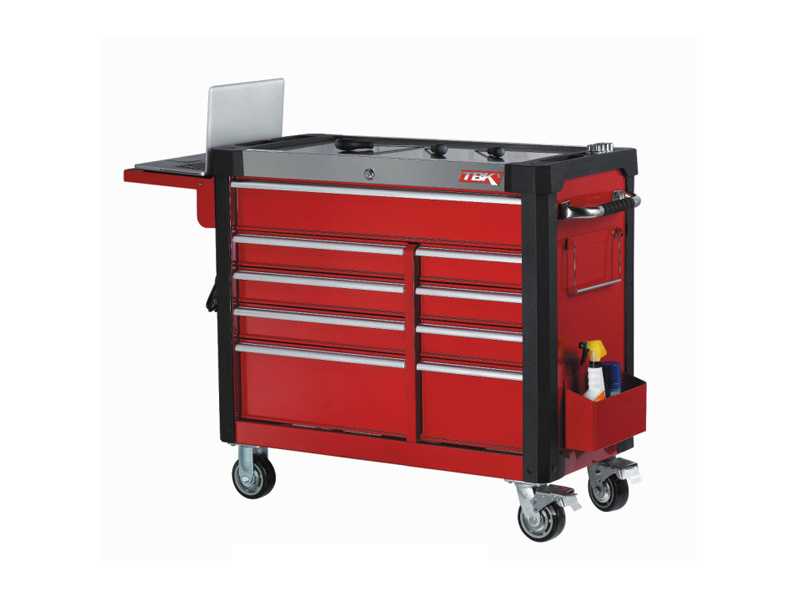
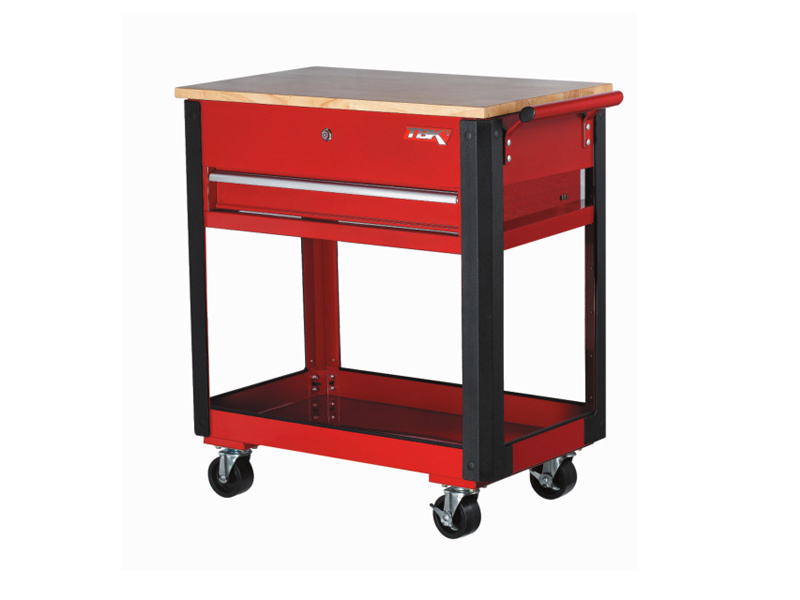
Mobile Workbenches
Mobile workbenches come equipped with wheels, allowing for easy movement around the shop. This feature is particularly beneficial for dynamic workspaces where tasks frequently shift locations.
Heavy-Duty Workbenches
Designed for demanding tasks, heavy-duty workbenches are constructed from high-quality materials to provide maximum stability and support. These are ideal for workshops that handle large, heavy items.
How to Select the Right Workbench for Your Shop
Choosing the right adjustable metal workbench involves assessing various factors that align with your specific needs. Here’s a step-by-step guide to streamline your selection process:
Identify Your Needs
Start by evaluating the tasks you perform most frequently in your workshop. Consider the types of projects, materials, and tools you use. Understanding your requirements will guide you toward the best design and features.
Set a Budget
Determine your budget before shopping. Adjustable metal workbenches vary in price based on features and quality. Setting a budget helps narrow down your options while ensuring you find a workbench that meets your needs without overspending.
Research Brands and Models
Explore reputable brands and read product reviews to understand the performance and durability of various models. Comparing different options allows you to make an informed decision.
Visit Showrooms or Trade Shows
Whenever possible, visit showrooms or trade shows to examine workbenches in person. Assessing the build quality and usability firsthand can provide valuable insights into what will work best for your shop.
Consult with Professionals
If you're unsure about which workbench to choose, consult with industry professionals or colleagues. Their experiences can offer valuable recommendations that fit your specific requirements.
Maintenance and Care Tips for Longevity
To ensure your adjustable metal workbench remains in optimal condition, regular maintenance is essential. Here are some tips to prolong its life:
Regular Cleaning
Keep the work surface clean and free of debris. Use appropriate cleaning agents that won't damage the finish. Regular cleaning prevents scratches and maintains the bench's appearance.
Check for Structural Integrity
Periodically inspect the workbench for signs of wear or damage. Check bolts, height adjustment mechanisms, and surfaces for any weaknesses. Addressing issues early can prevent more significant problems down the line.
Lubricate Moving Parts
If your workbench has adjustable features, ensure that you lubricate moving parts regularly. This practice enhances functionality and prevents wear on adjustment mechanisms.
Avoid Overloading
While adjustable metal workbenches are built for strength, avoid exceeding their weight limits. Overloading can lead to structural failure and compromise safety.
Common Uses of Adjustable Metal Workbenches in the Workshop
Adjustable metal workbenches serve a multitude of purposes in the workshop. Here are some common applications:
Assembly Tasks
Workbenches provide a stable surface for assembling machinery or equipment. The adjustable height allows workers to perform tasks comfortably, enhancing productivity.
Fabrication Work
In metal fabrication, workbenches are often used for cutting, welding, and assembling metal components. Their durability ensures they can handle the demands of heavy-duty work.
Tool Organization
An adjustable workbench with storage options facilitates better tool organization. This organization helps streamline workflow and keeps essential tools within reach.
Painting and Finishing
Workbenches can also be utilized for painting or finishing tasks, providing a stable surface to hold items securely while applying coatings.
Frequently Asked Questions
What is the typical weight capacity of an adjustable metal workbench?
The weight capacity varies by model, but most adjustable metal workbenches can support between 300 to 1,500 pounds, depending on their construction and design.
Can I use an adjustable metal workbench for outdoor projects?
Yes, many adjustable metal workbenches are suitable for outdoor use, but it's essential to choose one made from weather-resistant materials to prevent rust and deterioration.
How do I adjust the height of my workbench?
Height adjustment can be done through manual cranks, pneumatic lifts, or electric motors, depending on the model. Always refer to the manufacturer's instructions for proper usage.
Are adjustable metal workbenches easy to assemble?
Most adjustable metal workbenches come with clear assembly instructions. While some require basic tools, many can be assembled by one or two individuals relatively quickly.
What materials are used in adjustable metal workbenches?
Adjustable workbenches are typically made from steel, aluminum, or heavy-duty plastic. Steel is the most common choice due to its durability and strength.
Conclusion
In conclusion, an **adjustable metal workbench** is not merely a piece of furniture; it is an indispensable tool that enhances versatility, ergonomics, and productivity within your workshop. Its ability to adapt to various tasks while providing a sturdy and durable workspace makes it essential for any manufacturing or fabrication setting. By understanding the benefits, features, and applications of adjustable metal workbenches, you can make an informed decision that will lead to improved efficiency and satisfaction in your shop. Investing in one of these versatile workbenches can ultimately transform your workspace, enabling you to work smarter, not harder.
More information