How a Tool Box Can Revolutionize Your Manufacturing Workspace Organization
Release time:
Nov 10,2025
How a Tool Box Can Revolutionize Your Manufacturing Workspace Organization Introduction: The Importance of Organization in Manufacturing In the fast-paced world of manufacturing, **organization** is not just a luxury—it's a necessity. An organized workspace leads to increased **productivity**, reduced waste, and improved safety. One of the most effective ways to maintain an efficient workspace is

How a Tool Box Can Revolutionize Your Manufacturing Workspace Organization
Introduction: The Importance of Organization in Manufacturing
In the fast-paced world of manufacturing, **organization** is not just a luxury—it's a necessity. An organized workspace leads to increased **productivity**, reduced waste, and improved safety. One of the most effective ways to maintain an efficient workspace is through a well-structured **toolbox**. A toolbox not only holds your tools but also acts as a central hub for your operational processes.
Understanding the Role of a Toolbox in Your Workspace
The Foundation of an Organized Workspace
A toolbox serves as the foundation for an organized workflow. It is where tools are stored, accessed, and maintained. Having a dedicated space for tools reduces clutter and ensures that every item is easy to find. This organization can lead to significant **time savings** during manufacturing processes.
Types of Toolboxes for Manufacturing Workspaces
There are various types of toolboxes specifically designed for manufacturing environments. These include:
- **Portable Toolboxes**: Ideal for jobs requiring mobility.
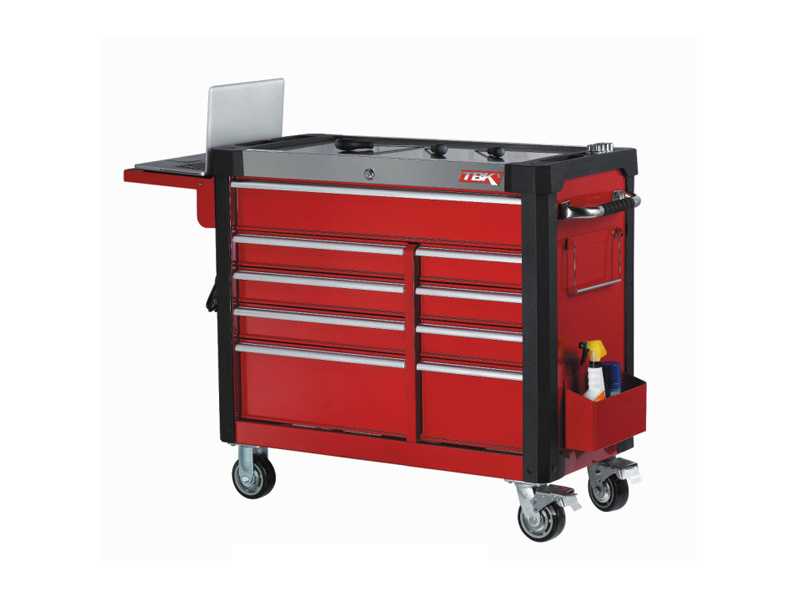
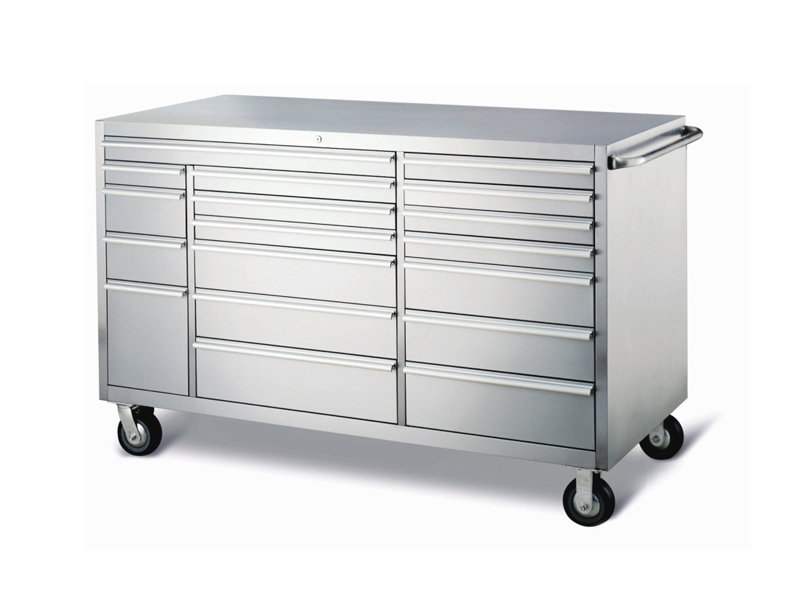
- **Tool Chests**: Provide ample storage and organization.
- **Wall-Mounted Tool Organizers**: Save floor space and keep tools visible.
Choosing the right type of toolbox depends on the specific needs of your manufacturing setup.
Benefits of Using a Toolbox for Organization
Enhancing Efficiency and Productivity
When tools are organized within a toolbox, it streamlines the workflow. Workers can spend less time searching for tools and more time focusing on their tasks. This efficiency can dramatically improve **productivity** and lead to faster project completion.
Improving Safety Standards
Safety is paramount in manufacturing. An organized toolbox reduces the risk of accidents caused by misplaced tools. When tools are stored correctly, the chances of tripping hazards or injuries decrease significantly, creating a safer work environment.
Encouraging Maintenance and Care for Tools
A toolbox encourages regular maintenance of tools. When tools are stored properly, they are less likely to become damaged or worn out. Regular maintenance not only extends the lifespan of tools but also ensures they perform optimally when needed.
How to Choose the Right Toolbox for Your Manufacturing Needs
Assessing Your Tools and Equipment
Before selecting a toolbox, it’s essential to assess the tools you have. Take stock of the size, number, and types of tools you regularly use. A toolbox should accommodate everything while allowing for easy access and organization.
Consider Your Workspace Layout
The layout of your manufacturing workspace will influence your toolbox choice. If space is limited, a compact toolbox or wall-mounted organizer may be best. Alternatively, if you have ample floor space, a larger tool chest can provide more organizational options.
Material and Durability Considerations
Manufacturing environments can be harsh. Choose toolboxes made from robust materials that can withstand wear and tear. Metal toolboxes offer durability, while plastic options may be lighter and more portable.
Best Practices for Organizing Your Toolbox
Implementing the 5S Methodology
The 5S methodology—Sort, Set in Order, Shine, Standardize, and Sustain—is an effective approach to organizing your toolbox.
- **Sort**: Eliminate unnecessary tools and items.
- **Set in Order**: Arrange tools based on frequency of use.
- **Shine**: Regularly clean and maintain tools.
- **Standardize**: Create consistent labeling and organization methods.
- **Sustain**: Ensure the organization is maintained over time.
Labeling and Categorizing Tools
Labeling is crucial for quick identification. Categorize tools based on type, size, or usage frequency. This practice not only saves time but also keeps tools in their designated places.
Utilizing Inserts and Compartmentalization
Investing in drawer inserts and compartmentalization can further enhance organization. These tools help keep smaller items separated and easily accessible, minimizing the risk of misplacement.
Technology Integration in Toolbox Organization
Tool Tracking Systems
Modern technology offers solutions for tool tracking and management. RFID tags and barcode systems can be implemented to monitor tool usage and ensure accountability. This technology can drastically reduce tool loss and improve overall organization.
Mobile Apps for Tool Management
There are numerous apps available that help manage tools and equipment. These apps can assist in tracking tool inventory, scheduling maintenance, and even organizing digital records of tool usage.
Creating a Culture of Organization in Manufacturing
Training and Employee Engagement
For an organized workspace to thrive, employee engagement is vital. Conduct training sessions to emphasize the importance of tool organization and maintenance. Encourage employees to take pride in their workspaces.
Setting Organizational Standards
Establish clear standards for tool organization. Create visual guidelines or checklists that employees can follow to maintain the organization of toolboxes. Regular audits can help reinforce these standards.
Regular Maintenance and Upkeep of Your Toolbox
Scheduling Regular Inspections
Incorporating regular inspections into your routine can help maintain organization and identify any issues early. Develop a schedule for inspecting toolboxes, cleaning them, and checking for necessary repairs.
Creating a Maintenance Log
Maintain a log that tracks tool usage, maintenance, and repairs. This log can help identify patterns in tool wear and inform decisions on replacements or upgrades.
Conclusion: Unlocking the Potential of Your Manufacturing Workspace
Investing in a well-organized toolbox is essential for any manufacturing environment. By enhancing efficiency, improving safety, and creating a culture of organization, your workplace can reach new heights of productivity. Implementing the best practices discussed will not only simplify your immediate tasks but also pave the way for long-term success. Embrace the power of organization and unlock your manufacturing workspace's full potential.
FAQs
1. What type of toolbox is best for a manufacturing setting?
The best toolbox for a manufacturing setting depends on your specific needs, including the types of tools used and workspace layout. Portable toolboxes, tool chests, and wall-mounted organizers are all excellent options.
2. How can I keep my toolbox organized?
Utilize the 5S methodology, label and categorize your tools, and consider using drawer inserts for compartmentalization to maintain an organized toolbox.
3. Why is tool organization important in manufacturing?
Tool organization is crucial in manufacturing as it enhances efficiency, improves safety, and promotes proper maintenance of tools.
4. Can technology help with toolbox organization?
Yes, technology can assist with toolbox organization through tool tracking systems and mobile apps that manage tool inventory and maintenance.
5. How often should I inspect my toolbox for organization and maintenance?
Regular inspections should be scheduled monthly to ensure that tools are organized and well-maintained.
More information