Essential Guide to Tool Boxes for Manufacturing Professionals
Release time:
Nov 13,2025
In the manufacturing and machining industries, the importance of a well-equipped tool box cannot be overstated. A tool box serves not only as a storage unit but also as a vital component that can significantly impact efficiency, safety, and organization on the workshop floor. Whether you are a machinist, technician, or manufacturing engineer, understanding the role of a tool box will enhance your
In the manufacturing and machining industries, the importance of a well-equipped tool box cannot be overstated. A tool box serves not only as a storage unit but also as a vital component that can significantly impact efficiency, safety, and organization on the workshop floor. Whether you are a machinist, technician, or manufacturing engineer, understanding the role of a tool box will enhance your operational capabilities.
One of the primary functions of a tool box is to provide a designated space for essential tools and accessories. In a high-paced manufacturing environment, having quick access to tools is crucial for minimizing downtime. A well-organized tool box allows professionals to locate the necessary equipment swiftly, reducing the time spent searching for tools and, consequently, increasing overall productivity.
Moreover, tool boxes can promote safety. In any manufacturing setting, loose tools and equipment can become hazards. A tool box keeps items secure and organized, thereby reducing the risk of accidents. By ensuring that tools are properly stored when not in use, you create a safer working environment for everyone on the shop floor.
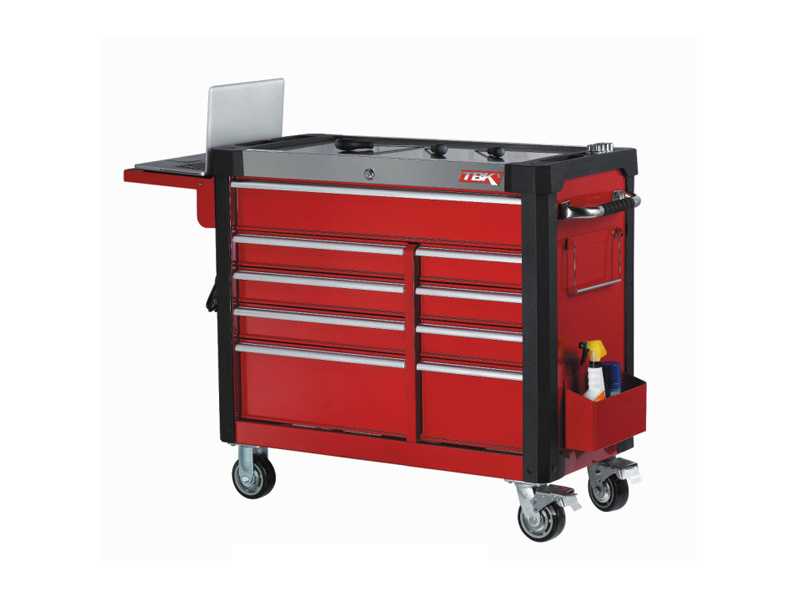
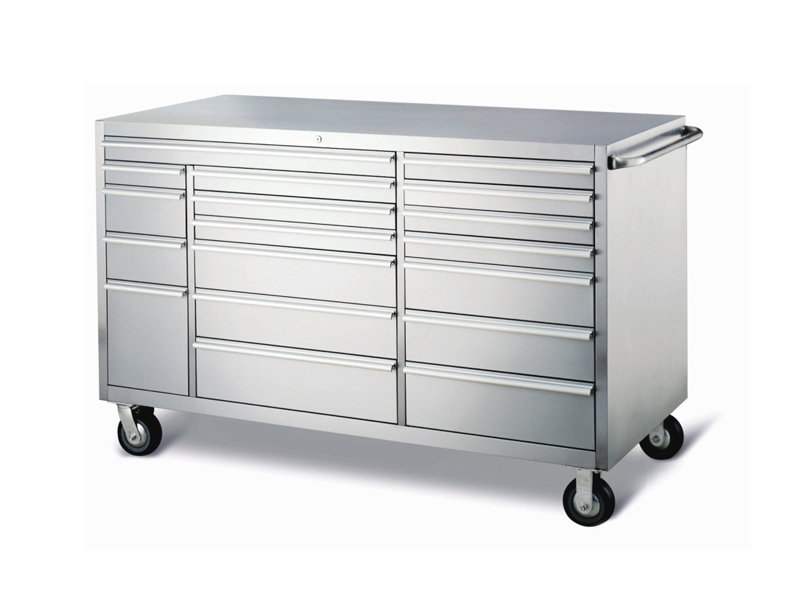
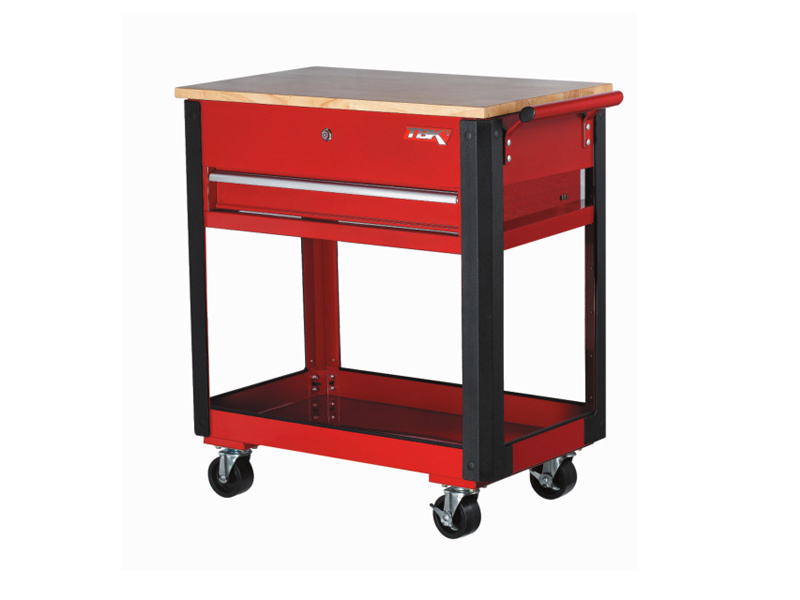
When choosing a tool box for machining applications, consider several key factors. Size and mobility are essential, especially if you are working with large machinery or in tight spaces. A portable tool box with compartments can facilitate quick movement between different workstations, while larger, stationary boxes provide ample storage for an extensive range of tools.
Additionally, material selection plays a crucial role in the durability and functionality of a tool box. Heavy-duty steel or high-quality plastic options can withstand the rigors of a manufacturing environment. Furthermore, features such as weather-resistant properties and locking mechanisms enhance the longevity and security of your tools.
Customizability is another aspect worth exploring. Many professionals prefer tool boxes that allow for personal organization strategies. Removable trays, magnetic strips, and adjustable compartments can help tailor your tool box to fit your specific needs, making it easier to manage various tools and accessories for machining tasks.
In conclusion, investing in the right tool box is a crucial step for any manufacturing professional. Not only does it improve organization and accessibility, but it also plays a significant role in promoting safety and efficiency. By carefully considering your specific needs, you can select a tool box that enhances your work processes and supports your objectives in the manufacturing sector. Whether you are setting up a new workstation or optimizing an existing one, a well-thought-out tool box is an invaluable asset in your operational toolkit.
One of the primary functions of a tool box is to provide a designated space for essential tools and accessories. In a high-paced manufacturing environment, having quick access to tools is crucial for minimizing downtime. A well-organized tool box allows professionals to locate the necessary equipment swiftly, reducing the time spent searching for tools and, consequently, increasing overall productivity.
Moreover, tool boxes can promote safety. In any manufacturing setting, loose tools and equipment can become hazards. A tool box keeps items secure and organized, thereby reducing the risk of accidents. By ensuring that tools are properly stored when not in use, you create a safer working environment for everyone on the shop floor.
When choosing a tool box for machining applications, consider several key factors. Size and mobility are essential, especially if you are working with large machinery or in tight spaces. A portable tool box with compartments can facilitate quick movement between different workstations, while larger, stationary boxes provide ample storage for an extensive range of tools.
Additionally, material selection plays a crucial role in the durability and functionality of a tool box. Heavy-duty steel or high-quality plastic options can withstand the rigors of a manufacturing environment. Furthermore, features such as weather-resistant properties and locking mechanisms enhance the longevity and security of your tools.
Customizability is another aspect worth exploring. Many professionals prefer tool boxes that allow for personal organization strategies. Removable trays, magnetic strips, and adjustable compartments can help tailor your tool box to fit your specific needs, making it easier to manage various tools and accessories for machining tasks.
In conclusion, investing in the right tool box is a crucial step for any manufacturing professional. Not only does it improve organization and accessibility, but it also plays a significant role in promoting safety and efficiency. By carefully considering your specific needs, you can select a tool box that enhances your work processes and supports your objectives in the manufacturing sector. Whether you are setting up a new workstation or optimizing an existing one, a well-thought-out tool box is an invaluable asset in your operational toolkit.
More information