Maximize Productivity with the Right Tool Table Setup: A Comprehensive Guide
Release time:
Dec 23,2025
Maximize Productivity with the Right Tool Table Setup Table of Contents 1. Understanding the Importance of Tool Table Setup 2. Key Factors Influencing Productivity in Manufacturing 3. Selecting the Right Tool Table 3.1 Types of Tool Tables 3.2 Evaluating Materials and Construction 4. Essential Accessories for Optimal Setup 4.1 Tool Holders 4.2 Workholding Devices 5. Organizing Your Tool Table for

Maximize Productivity with the Right Tool Table Setup
Table of Contents
1. Understanding the Importance of Tool Table Setup
2. Key Factors Influencing Productivity in Manufacturing
3. Selecting the Right Tool Table
3.1 Types of Tool Tables
3.2 Evaluating Materials and Construction
4. Essential Accessories for Optimal Setup
4.1 Tool Holders
4.2 Workholding Devices
5. Organizing Your Tool Table for Maximum Efficiency
5.1 Layout Strategies
5.2 Workflow Optimization
6. Maintenance Tips for Longevity and Performance
7. Common Mistakes to Avoid in Tool Table Setup
8. Frequently Asked Questions
9. Conclusion
1. Understanding the Importance of Tool Table Setup
In the machining and manufacturing sectors, having an efficient tool table setup is pivotal in maximizing productivity. A well-organized tool table is not merely a storage area; it serves as the command center for your machining operations. A comprehensive understanding of how to set up your tool table can lead to improved workflow, reduced downtime, and ultimately, higher output.
The tool table is where the magic happens. Every tool, accessory, and component must be in its right place, easily accessible, and ready for use. This setup directly impacts the speed and efficacy of production processes.
2. Key Factors Influencing Productivity in Manufacturing
Several factors contribute to productivity in manufacturing, particularly regarding tool usage. These factors include:
- **Ergonomics**: The physical setup influences how easily operators can access and use tools. A well-designed workspace minimizes unnecessary movements.
- **Inventory Management**: Keeping track of tools and their conditions prevents delays due to searching for misplaced items.
- **Technology Integration**: Advanced tools with digital capabilities can enhance precision and reduce human error.
Understanding these factors allows manufacturers to implement effective strategies tailored to their needs.
3. Selecting the Right Tool Table
Choosing the appropriate tool table is crucial for optimizing your setup. The right table can cater to various machining tasks and improve overall efficiency.
3.1 Types of Tool Tables
There are multiple types of tool tables available, including:
- **Fixed Tool Tables**: Sturdy and reliable, ideal for heavy machinery.
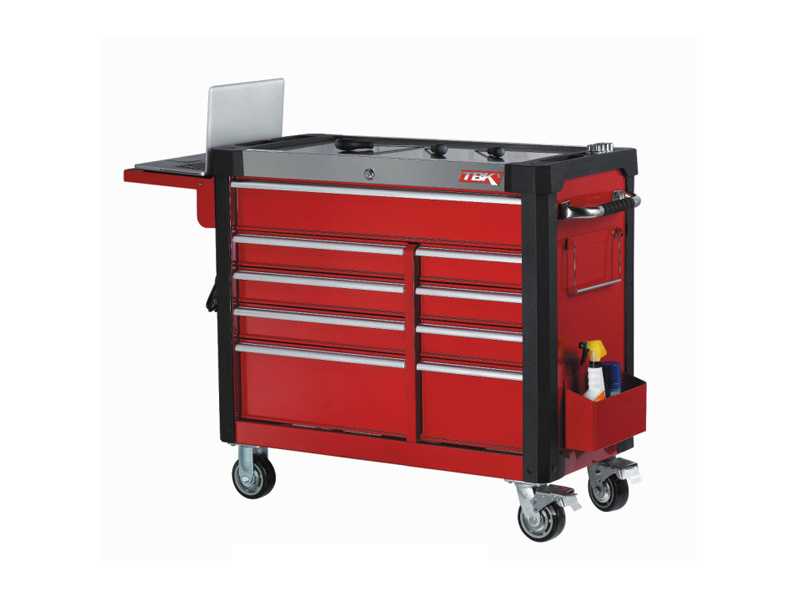
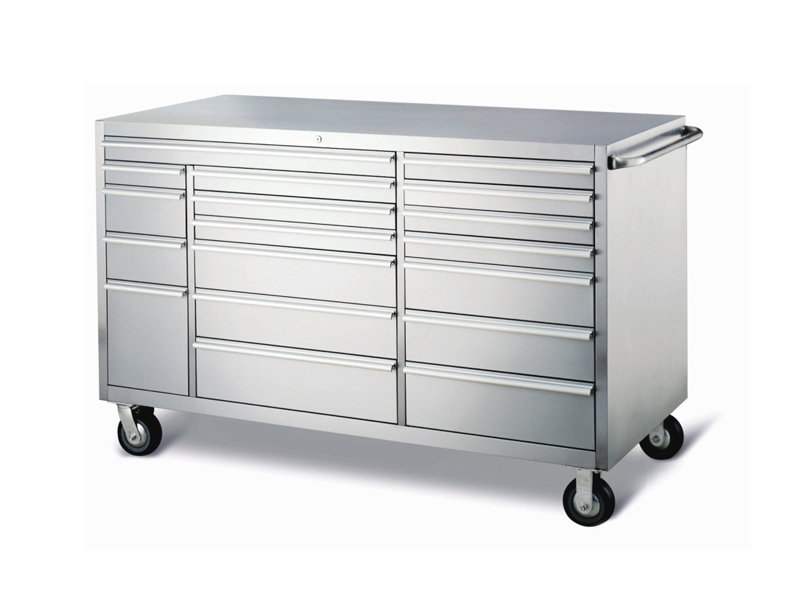
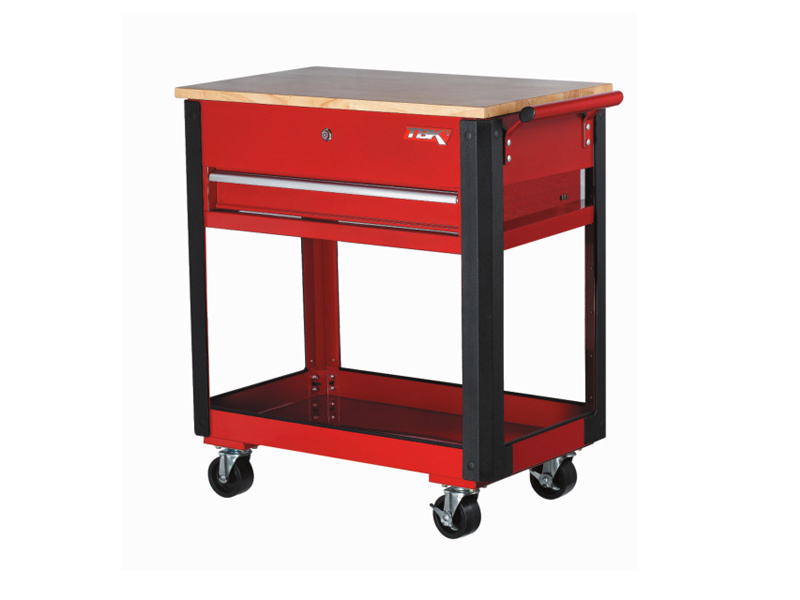
- **Mobile Tool Tables**: Flexible and versatile, perfect for dynamic work environments.
- **Height-Adjustable Tool Tables**: Ergonomically designed to accommodate various user preferences.
Selecting the right type based on your specific requirements is vital for maximizing productivity.
3.2 Evaluating Materials and Construction
The material and construction of your tool table significantly affect its durability and functionality. Common materials include:
- **Steel**: Offers strength and longevity.
- **Aluminum**: Lightweight and portable, suitable for smaller setups.
- **Composite Materials**: Provide excellent vibration dampening, enhancing precision.
Evaluate the demands of your operations to choose the right material that aligns with your productivity goals.
4. Essential Accessories for Optimal Setup
To maximize the functionality of your tool table, certain accessories are essential.
4.1 Tool Holders
Investing in quality tool holders is crucial. They ensure that your tools are securely fastened, reducing the risk of accidents and improving precision. Choose holders that cater to the specific types of tools used in your manufacturing processes.
4.2 Workholding Devices
Proper workholding devices can significantly enhance productivity. They keep the workpiece stable during machining operations, allowing for accuracy and efficiency. Consider devices such as vises, clamps, and fixtures to create a reliable setup.
5. Organizing Your Tool Table for Maximum Efficiency
A well-organized tool table is essential for streamlining operations. Here's how to optimize your workspace.
5.1 Layout Strategies
The layout of your tool table should promote easy access to tools and accessories. Implement a systematic approach to placing tools based on frequency of use. Position the most commonly used tools within easy reach to minimize movement.
5.2 Workflow Optimization
Analyze your workflow to identify bottlenecks. Rearranging your tool table setup can alleviate these issues. Consider implementing a one-piece flow system where tools move in a straight line from setup to completion to reduce unnecessary steps.
6. Maintenance Tips for Longevity and Performance
Regular maintenance of your tool table and accessories is vital for sustained performance.
- **Routine Cleaning**: Keep your tool table clean and free from debris, ensuring tools remain in optimal condition.
- **Inspect Regularly**: Check for wear and tear on tools and accessories. Address any issues immediately to prevent disruptions in productivity.
- **Lubricate Moving Parts**: Applying lubricant to sliding components can enhance their functionality and extend their lifespan.
Maintaining your tool table not only ensures longevity but also safeguards against operational downtime caused by equipment failure.
7. Common Mistakes to Avoid in Tool Table Setup
To truly maximize productivity, awareness of common pitfalls is essential. Avoid these mistakes:
- **Ignoring Ergonomics**: Failing to consider ergonomic principles can lead to operator fatigue and decreased productivity.
- **Overcrowding the Table**: A cluttered workspace can hinder access to tools and increase the time spent searching for items.
- **Neglecting Training**: Operators must be trained on the best practices for using and maintaining the tool table setup to ensure efficiency.
By being mindful of these common errors, manufacturers can create a more effective and productive environment.
8. Frequently Asked Questions
Q1: What is the best material for a tool table?
A1: The best material depends on your specific needs. Steel is great for durability, while aluminum is ideal for portable setups.
Q2: How often should I maintain my tool table?
A2: Regular maintenance checks should be conducted monthly, but daily cleaning and inspections are recommended for optimal performance.
Q3: What accessories are essential for a tool table?
A3: Essential accessories include tool holders, workholding devices, and organizational tools such as trays and racks.
Q4: How can I improve ergonomics at my tool table?
A4: Consider height-adjustable tables and organize tools within easy reach to minimize strain during operation.
Q5: What layout is best for a tool table?
A5: A layout that places frequently used tools within easy reach and allows for a smooth workflow is optimal for productivity.
9. Conclusion
Maximizing productivity with the right tool table setup is essential for any manufacturing operation. From selecting the appropriate table type and materials to organizing your workspace effectively, every detail matters. By investing in quality accessories, maintaining your setup, and avoiding common mistakes, you can enhance your machining efficiency.
Implement the strategies discussed in this guide to transform your tool table into a powerhouse of productivity. With careful planning and execution, you can ensure that your manufacturing processes run smoothly and efficiently, leading to increased output and ultimately, greater success in your industry.
More information