Essential Guide to Tool Tables in Machine Tool Accessories
Release time:
Dec 29,2025
In the world of manufacturing and machining, "tool tables" play an essential role as vital accessories that enhance both efficiency and precision. Tool tables serve as the foundational platform where various machining activities occur, and their design can significantly influence the effectiveness of the manufacturing process. Understanding the characteristics and functionalities of tool tables is

In the world of manufacturing and machining, "tool tables" play an essential role as vital accessories that enhance both efficiency and precision. Tool tables serve as the foundational platform where various machining activities occur, and their design can significantly influence the effectiveness of the manufacturing process. Understanding the characteristics and functionalities of tool tables is crucial for anyone involved in the machining industry.
Tool tables are primarily designed to hold and stabilize workpieces during machining operations. They come in various sizes, shapes, and designs to accommodate different types of machinery and workpieces. A well-constructed tool table provides a stable surface that reduces vibrations, ensuring precision in cutting and shaping materials. This stability is particularly important when working with intricate designs or tight tolerances, where even the slightest movement can lead to errors.
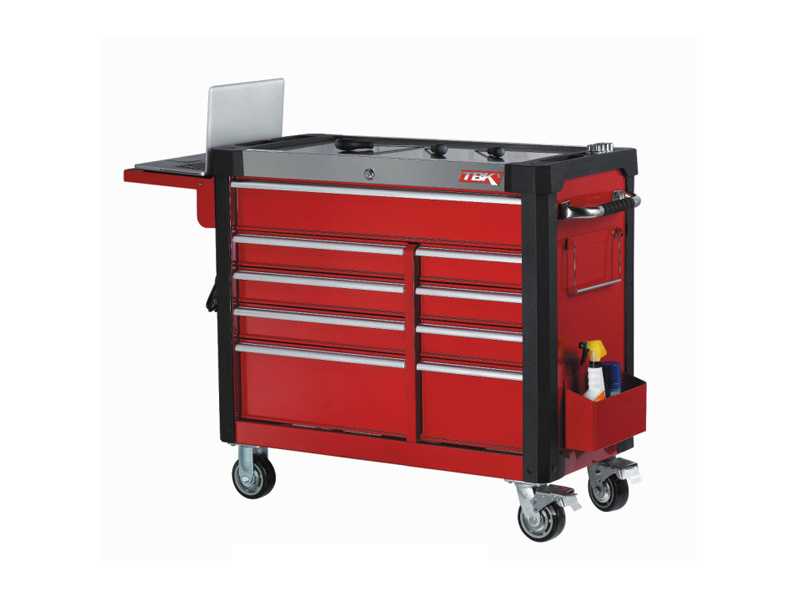
One of the key benefits of tool tables is their ability to adapt to various machining needs. Many tool tables are equipped with features such as adjustable heights, tilting surfaces, and integrated clamping systems. These features allow machinists to customize the setup according to the specific requirements of each job, thereby improving workflow and productivity. Furthermore, tool tables can often be equipped with additional accessories, such as tool storage solutions and measuring devices, which further streamline operations.
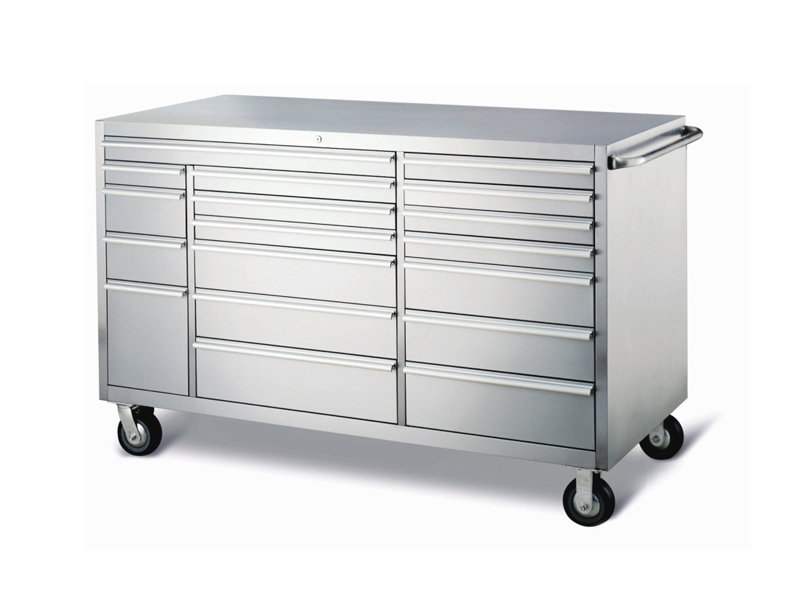
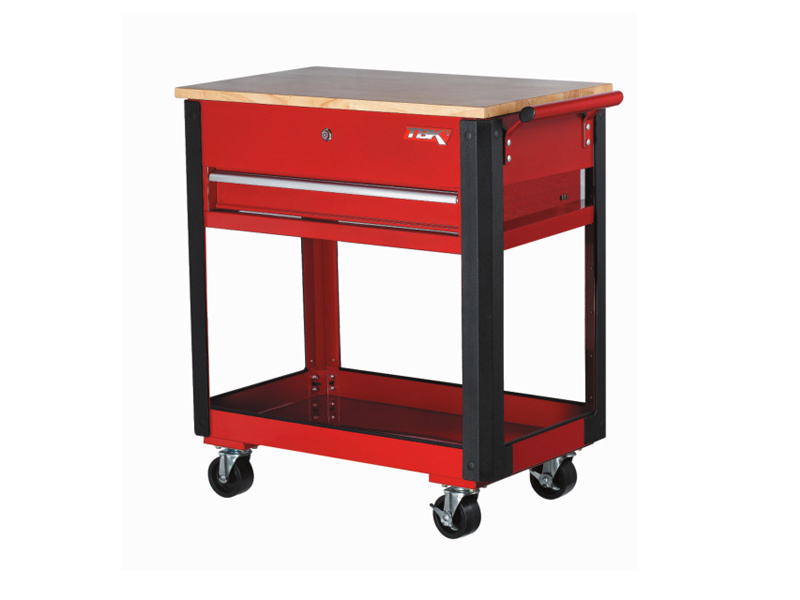
When selecting a tool table, it's important to consider factors such as material, weight capacity, and overall design. Heavy-duty tool tables made of robust materials, like steel, offer durability and stability, making them ideal for heavy machining tasks. Conversely, lighter tables may be more suitable for tasks requiring mobility or frequent adjustments. Evaluating your specific machining needs will help you choose the most appropriate tool table for your operations.
In addition to their practical applications, tool tables can also contribute to workplace safety. By providing a stable and organized workspace, tool tables help minimize the risk of accidents caused by unstable workpieces or clutter. Ensuring that all tools and materials are securely stored and accessible can lead to a more efficient and safer working environment.
In summary, tool tables are indispensable components in the manufacturing and machining industry. They offer stability, adaptability, and safety, which are essential for achieving high precision in machining operations. By investing in the right tool table, professionals can optimize their workflows, enhance productivity, and ultimately improve the quality of their finished products. Whether you are a seasoned machinist or new to the field, understanding the importance of tool tables will undoubtedly contribute to your success in manufacturing.
Tool tables are primarily designed to hold and stabilize workpieces during machining operations. They come in various sizes, shapes, and designs to accommodate different types of machinery and workpieces. A well-constructed tool table provides a stable surface that reduces vibrations, ensuring precision in cutting and shaping materials. This stability is particularly important when working with intricate designs or tight tolerances, where even the slightest movement can lead to errors.
One of the key benefits of tool tables is their ability to adapt to various machining needs. Many tool tables are equipped with features such as adjustable heights, tilting surfaces, and integrated clamping systems. These features allow machinists to customize the setup according to the specific requirements of each job, thereby improving workflow and productivity. Furthermore, tool tables can often be equipped with additional accessories, such as tool storage solutions and measuring devices, which further streamline operations.
When selecting a tool table, it's important to consider factors such as material, weight capacity, and overall design. Heavy-duty tool tables made of robust materials, like steel, offer durability and stability, making them ideal for heavy machining tasks. Conversely, lighter tables may be more suitable for tasks requiring mobility or frequent adjustments. Evaluating your specific machining needs will help you choose the most appropriate tool table for your operations.
In addition to their practical applications, tool tables can also contribute to workplace safety. By providing a stable and organized workspace, tool tables help minimize the risk of accidents caused by unstable workpieces or clutter. Ensuring that all tools and materials are securely stored and accessible can lead to a more efficient and safer working environment.
In summary, tool tables are indispensable components in the manufacturing and machining industry. They offer stability, adaptability, and safety, which are essential for achieving high precision in machining operations. By investing in the right tool table, professionals can optimize their workflows, enhance productivity, and ultimately improve the quality of their finished products. Whether you are a seasoned machinist or new to the field, understanding the importance of tool tables will undoubtedly contribute to your success in manufacturing.
More information