Why Iron Workbenches are Essential for Every Workshop
Release time:
Jan 25,2026
Why Iron Workbenches are Essential for Every Workshop Table of Contents Introduction to Iron Workbenches Key Benefits of Iron Workbenches Unmatched Durability and Stability Versatility for Various Applications Enhancing Workshop Organization Material Properties of Iron Design Features of Iron Workbenches
Why Iron Workbenches are Essential for Every Workshop
Table of Contents
- Introduction to Iron Workbenches
- Key Benefits of Iron Workbenches
- Unmatched Durability and Stability
- Versatility for Various Applications
- Enhancing Workshop Organization
- Material Properties of Iron
- Design Features of Iron Workbenches
- Safety Features of Iron Workbenches
- Maintenance Tips for Longevity
- Conclusion
- Frequently Asked Questions
Introduction to Iron Workbenches
Iron workbenches are a staple in workshops worldwide, revered for their strength and reliability. They stand as the backbone of any workspace, serving as the foundation for projects ranging from simple home repairs to complex manufacturing tasks. The choice of materials is crucial when setting up a workshop, and iron stands out due to its unmatched capabilities. This article delves into the myriad reasons why every workshop should incorporate an iron workbench, enhancing not only the quality of work but also the overall efficiency of the workspace.
Key Benefits of Iron Workbenches
Unmatched Durability and Stability
One of the primary advantages of iron workbenches is their **exceptional durability**. Unlike wooden or plastic alternatives, iron can withstand significant weight and pressure without bowing or breaking. This makes iron workbenches ideal for heavy-duty tasks, such as metalworking or woodworking. With proper care, an iron workbench can last a lifetime, providing a reliable surface for all your projects.
In addition to their strength, iron workbenches offer **stability** that enhances precision in tasks. The solid structure minimizes vibrations, allowing for accurate cuts and measurements. This stability is particularly beneficial for professionals who rely on their equipment for intricate work, ensuring that every project meets high standards.
Versatility for Various Applications
Iron workbenches excel in versatility, making them suitable for a wide array of applications. Whether in a woodworking shop, metal fabrication facility, or a crafting space, iron workbenches adapt to various tasks seamlessly. They serve as an excellent platform for different tools, from saws to drills, simplifying the workflow in any workshop.
Moreover, these workbenches can be outfitted with different accessories like vises, tool organizers, and lighting systems. This adaptability ensures that a single iron workbench can evolve alongside your projects, accommodating new tools and techniques as your workshop grows.
Enhancing Workshop Organization
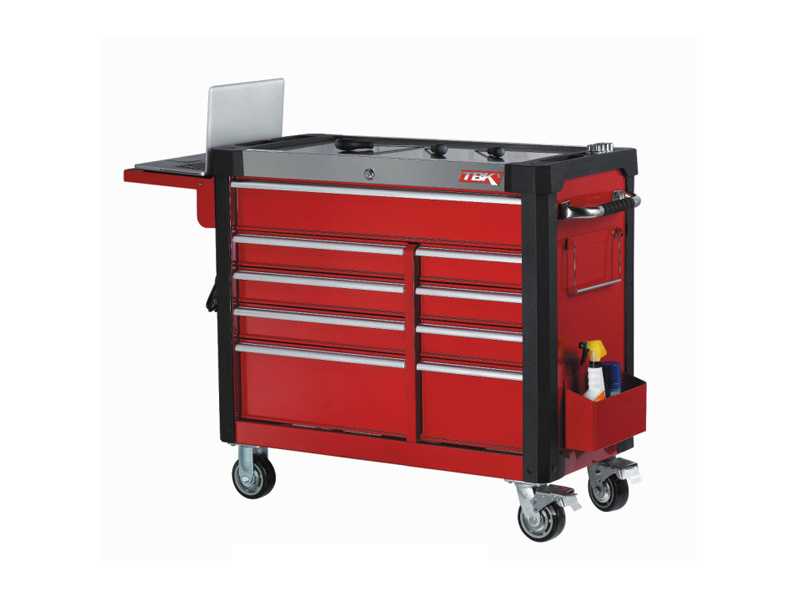
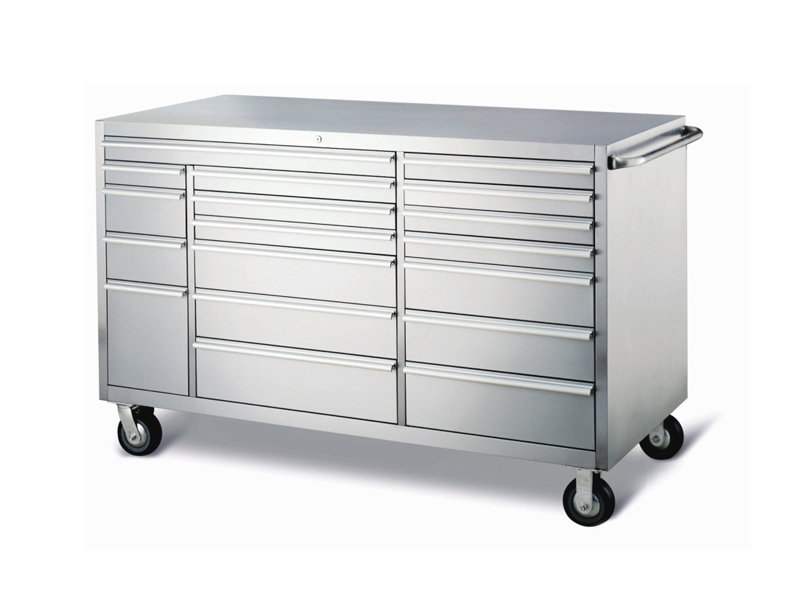
A well-organized workshop contributes significantly to productivity. Iron workbenches often come with built-in storage options or can be customized to include shelving and cabinets. This organization helps keep tools and materials within reach, reducing downtime and streamlining the work process.
Furthermore, a tidy workspace fosters creativity and efficiency. With everything in its place, craftsmen can concentrate on their tasks without the distraction of clutter. An iron workbench facilitates this organization, allowing for a more enjoyable and productive working environment.
Material Properties of Iron
Iron is known for its **inherent strength** and **load-bearing capabilities**. The material's resistance to wear and tear makes it a prime choice for workbenches. Unlike wood, which can splinter and warp over time, iron retains its form and functionality, even under demanding conditions.
The weight of iron also contributes to its stability. A heavier workbench is less likely to shift or tip, providing a reliable surface for users. Whether you're hammering, cutting, or assembling, the solid foundation of an iron workbench ensures that the workspace remains stable, enhancing safety and efficiency.
Design Features of Iron Workbenches
Customization Options
Many manufacturers offer customization options to tailor an iron workbench to specific needs. This can include adjustments to the height, surface area, or additional features like built-in power strips and drawers. Customization allows users to create a workspace that fits their unique requirements, making the workbench a true asset in their workshop.
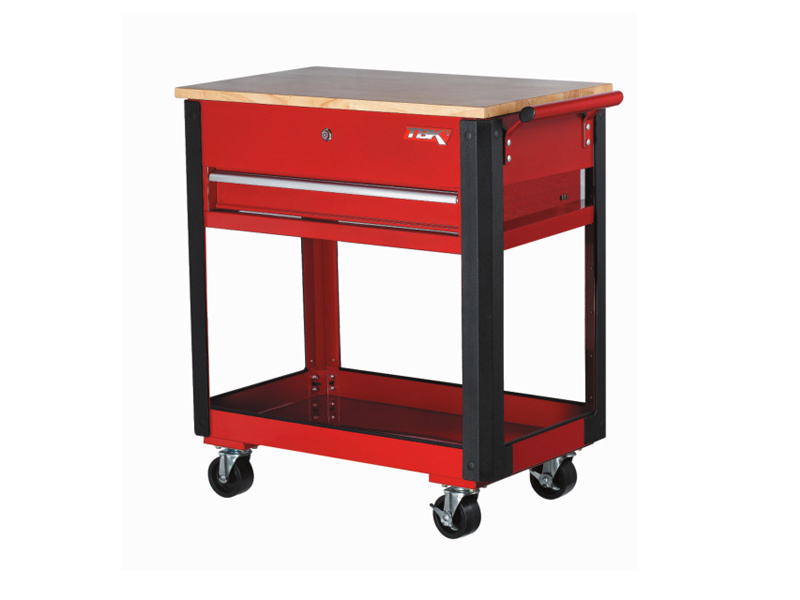
Users can also select different surface materials, such as rubber matting or stainless steel, depending on the nature of their work. This flexibility empowers workshop owners to design a workbench that not only meets their functional needs but also aligns with their aesthetic preferences.
Ergonomic Design Considerations
The design of an iron workbench can also prioritize ergonomics, promoting a healthier working posture. Adjustable-height options are increasingly popular, allowing users to work comfortably whether standing or seated. An ergonomic design reduces strain on the back, arms, and legs, ultimately leading to improved productivity and job satisfaction.
Incorporating ergonomic features into an iron workbench design ensures that craftsmen can work for extended periods without discomfort, making it a worthwhile investment for any workshop.
Safety Features of Iron Workbenches
Safety is paramount in any workshop setting. Iron workbenches typically come equipped with various safety features, such as rounded edges and non-slip surfaces, reducing the risk of accidents. Some designs may also include integrated safety stops for tools, preventing unintended activations during use.
Furthermore, the robust nature of iron minimizes the risk of breakage that can occur with weaker materials. This durability ensures that the workbench can endure tough conditions, making it a safer option for heavy tasks that require significant force.
Maintenance Tips for Longevity
To maximize the lifespan of an iron workbench, regular maintenance is essential. Here are several tips to keep it in prime condition:
1. **Regular Cleaning**: Dust and debris can accumulate on the surface. Wipe down the workbench regularly with a damp cloth to maintain cleanliness and prevent rust formation.
2. **Rust Prevention**: Apply a protective coating or rust inhibitor to the surface. This can help prevent oxidation and prolong the life of the iron.
3. **Check for Loose Parts**: Periodically inspect the workbench for any loose screws or components. Tightening these can enhance stability and safety.
4. **Avoid Harsh Chemicals**: When cleaning, avoid using harsh chemicals that could damage the surface. Stick to mild detergents and water.
Adhering to these maintenance practices will ensure that your iron workbench remains a reliable tool for years to come.
Conclusion
Incorporating an iron workbench into any workshop is not just a matter of convenience; it is a strategic investment in productivity, safety, and versatility. With their robust design, unmatched durability, and ability to adapt to various tasks, iron workbenches stand out as essential components for both professionals and hobbyists alike. By choosing an iron workbench, workshop owners can enhance their workspace's functionality while ensuring a long-lasting, reliable foundation for all their projects.
Frequently Asked Questions
1. What materials are commonly used for workbenches?
Most workbenches are made from wood, metal (including iron), or composite materials. Iron is preferred for heavy-duty applications due to its strength and durability.
2. How do I choose the right size workbench for my workshop?
Consider the space available in your workshop and the types of projects you plan to undertake. A larger workbench may be necessary for extensive tasks, while smaller options are suitable for limited spaces.
3. Can I customize my iron workbench?
Yes, many manufacturers offer customization options, including height adjustments, surface materials, and additional storage features.
4. How can I prevent rust on my iron workbench?
Regular cleaning and applying a rust inhibitor can help prevent rust formation. Ensure that the workbench is kept dry to minimize moisture exposure.
5. Are iron workbenches heavy? Will they be difficult to move?
Iron workbenches are typically heavy, providing stability. However, some models come with wheels or are designed to be disassembled for easier transportation when necessary.
Incorporating these insights into your decision-making will help you choose the right iron workbench for your needs, enhancing your workshop experience significantly.
More information