The Essential Guide to Iron Workbenches in Manufacturing
Release time:
Jan 29,2026
Iron workbenches have become a cornerstone in manufacturing and machining environments, offering a robust and resilient workspace for a variety of tasks. These workbenches are typically constructed from high-quality iron, providing strength and stability that is essential for heavy-duty operations. One of the primary advantages of iron workbenches is their durability. Unlike wooden or plastic alt
Iron workbenches have become a cornerstone in manufacturing and machining environments, offering a robust and resilient workspace for a variety of tasks. These workbenches are typically constructed from high-quality iron, providing strength and stability that is essential for heavy-duty operations.
One of the primary advantages of iron workbenches is their durability. Unlike wooden or plastic alternatives, iron workbenches can withstand significant wear and tear, making them ideal for industrial settings where tools and materials are frequently used. They are designed to resist scratches, dents, and other forms of damage, ensuring a long-lasting work surface that can handle heavy loads without compromising structural integrity.
In addition to their durability, iron workbenches provide a stable platform that enhances precision in manufacturing tasks. Stability is crucial when performing tasks that require exact measurements and alignments. Iron workbenches minimize vibrations and movement, allowing operators to work with greater confidence and accuracy. This level of precision is especially important in machining processes, where even minor errors can lead to significant issues.
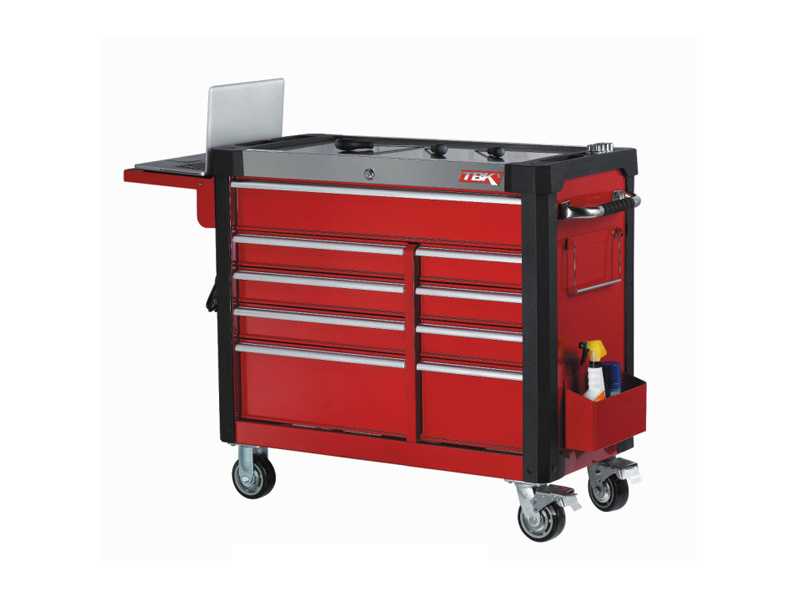
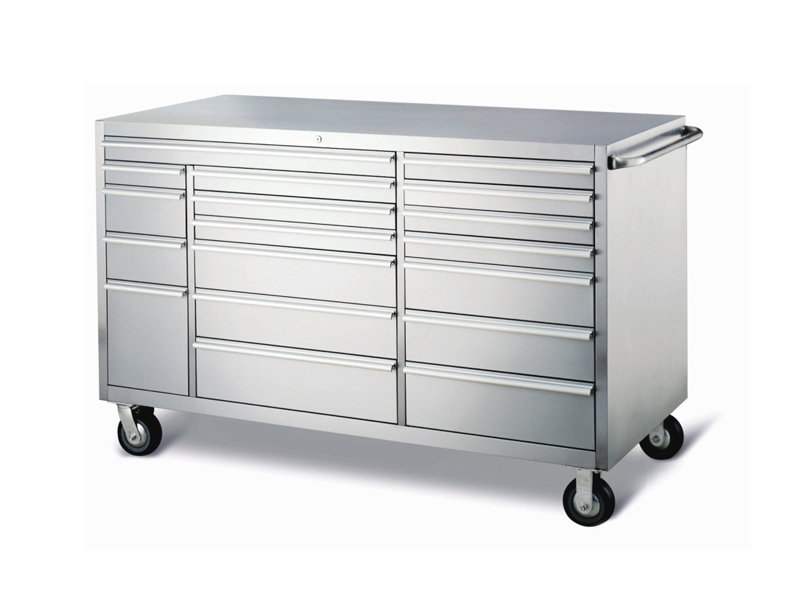
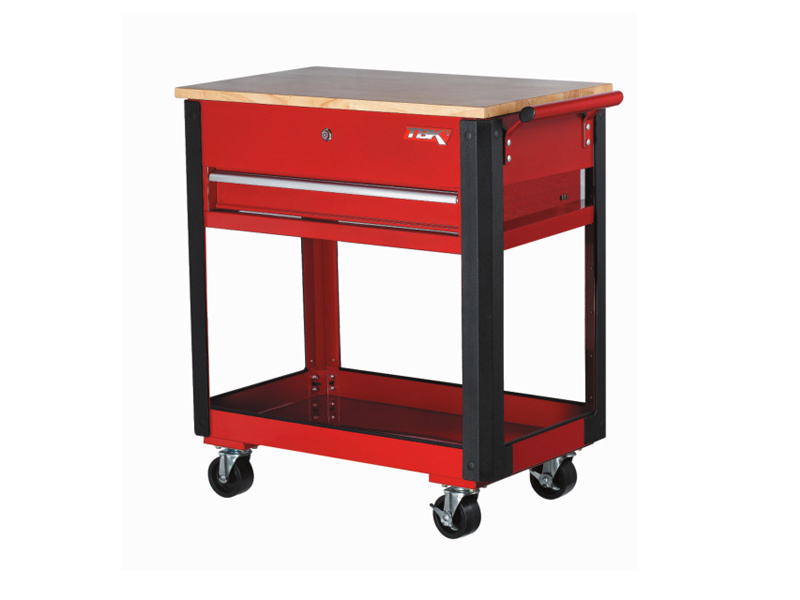
Another important feature of iron workbenches is their versatility. They can be customized to fit specific needs and workflows, accommodating various tools and equipment. Many iron workbenches come with built-in storage solutions, such as drawers and shelves, which help keep the workspace organized and efficient. This organization is key in fast-paced manufacturing environments where time is of the essence.
Safety is another crucial aspect of using iron workbenches. The robust construction of these workbenches provides a secure working environment. Features such as anti-slip surfaces and rounded edges can further enhance safety, reducing the risk of accidents and injuries in the workplace. Workers are more likely to focus on their tasks when they feel secure in their environment.
Furthermore, iron workbenches are often resistant to chemicals and heat, making them suitable for various manufacturing processes, including welding and assembly. This resistance allows for a broader range of applications without the risk of damaging the work surface.
In summary, iron workbenches are an indispensable resource in the manufacturing sector, combining durability, stability, versatility, and safety. Their ability to withstand heavy usage and provide a reliable workspace makes them a preferred choice for professionals in machining and manufacturing. Investing in quality iron workbenches can lead to increased productivity and improved workplace safety, ultimately contributing to the success of operations in any industrial setting. As the landscape of manufacturing continues to evolve, the role of such essential equipment remains crucial for achieving operational excellence.
One of the primary advantages of iron workbenches is their durability. Unlike wooden or plastic alternatives, iron workbenches can withstand significant wear and tear, making them ideal for industrial settings where tools and materials are frequently used. They are designed to resist scratches, dents, and other forms of damage, ensuring a long-lasting work surface that can handle heavy loads without compromising structural integrity.
In addition to their durability, iron workbenches provide a stable platform that enhances precision in manufacturing tasks. Stability is crucial when performing tasks that require exact measurements and alignments. Iron workbenches minimize vibrations and movement, allowing operators to work with greater confidence and accuracy. This level of precision is especially important in machining processes, where even minor errors can lead to significant issues.
Another important feature of iron workbenches is their versatility. They can be customized to fit specific needs and workflows, accommodating various tools and equipment. Many iron workbenches come with built-in storage solutions, such as drawers and shelves, which help keep the workspace organized and efficient. This organization is key in fast-paced manufacturing environments where time is of the essence.
Safety is another crucial aspect of using iron workbenches. The robust construction of these workbenches provides a secure working environment. Features such as anti-slip surfaces and rounded edges can further enhance safety, reducing the risk of accidents and injuries in the workplace. Workers are more likely to focus on their tasks when they feel secure in their environment.
Furthermore, iron workbenches are often resistant to chemicals and heat, making them suitable for various manufacturing processes, including welding and assembly. This resistance allows for a broader range of applications without the risk of damaging the work surface.
In summary, iron workbenches are an indispensable resource in the manufacturing sector, combining durability, stability, versatility, and safety. Their ability to withstand heavy usage and provide a reliable workspace makes them a preferred choice for professionals in machining and manufacturing. Investing in quality iron workbenches can lead to increased productivity and improved workplace safety, ultimately contributing to the success of operations in any industrial setting. As the landscape of manufacturing continues to evolve, the role of such essential equipment remains crucial for achieving operational excellence.
More information