Top Features to Look for in Tool Workbenches: The Ultimate Guide for Industrial Efficiency
Release time:
Feb 01,2026
Top Features to Look for in Tool Workbenches Introduction to Tool Workbenches in Manufacturing In the manufacturing and machining industries, the workspace layout is crucial for efficiency and productivity. Tool workbenches serve as the cornerstone of any workshop, providing a solid, organized area for tools and tasks. Selecting the right tool workbench can significantly impact workflow, safety, a

Top Features to Look for in Tool Workbenches
Introduction to Tool Workbenches in Manufacturing
In the manufacturing and machining industries, the workspace layout is crucial for efficiency and productivity. Tool workbenches serve as the cornerstone of any workshop, providing a solid, organized area for tools and tasks. Selecting the right tool workbench can significantly impact workflow, safety, and even the quality of the finished product. In this article, we will delve into the **top features to look for in tool workbenches**, helping you make an informed decision that enhances your operations.
Understanding Tool Workbenches: A Critical Component
Tool workbenches are specially designed surfaces that accommodate various tasks in manufacturing settings. Their primary purpose is to provide a stable, organized space for tools and materials, facilitating more efficient workflows. Understanding the core features of these workbenches will help you choose one that meets your specific needs.
1. Durability: The Backbone of Tool Workbenches
When assessing tool workbenches, **durability** stands out as a fundamental feature. Workbenches experience constant wear and tear due to heavy machinery and tools. Therefore, selecting a workbench made from high-quality materials such as steel or reinforced wood is vital. Look for features like:
- **Scratch-Resistant Surfaces:** Protects against tools and heavy equipment.
- **Weight Capacity:** Ensure the workbench can support the tools and materials you'll be using.
- **Weather Resistance:** Important for outdoor or unconditioned environments.
2. Size and Dimension: Finding the Right Fit
The size of the workbench directly impacts its functionality. A workbench that is too small can lead to clutter, while one that is too large may waste valuable space. Consider the following when evaluating size:
- **Available Workspace:** Measure your workshop thoroughly to determine the optimal workbench dimensions.
- **User Height:** Ensure that the workbench height is comfortable for prolonged use, which can help reduce fatigue.
- **Workspace Functionality:** Determine if you need additional space for tools, machines, or assembly tasks.
3. Versatility: Adaptability for Different Applications
The manufacturing environment is ever-evolving, and your workbench should be able to adapt. Look for features that enhance versatility:
- **Modular Design:** Workbenches that allow for customization, such as interchangeable tabletops or additional shelving, can accommodate varied tasks.
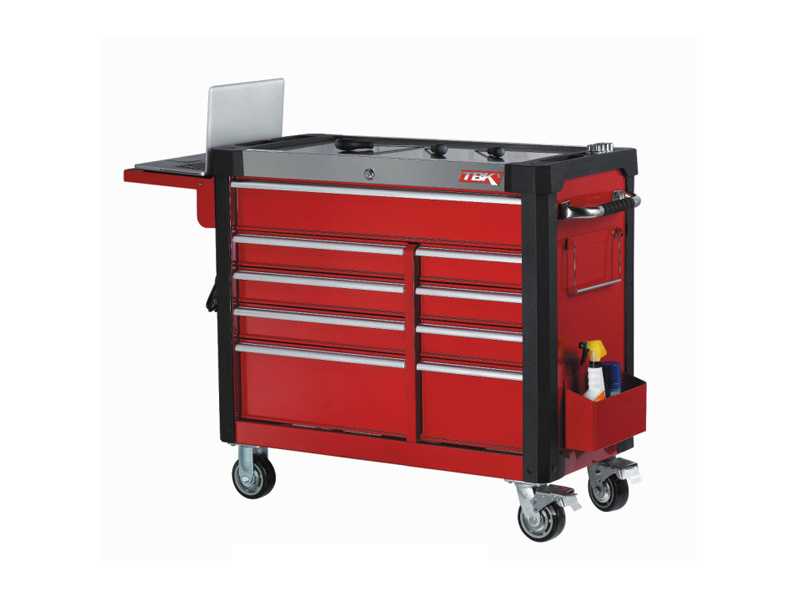
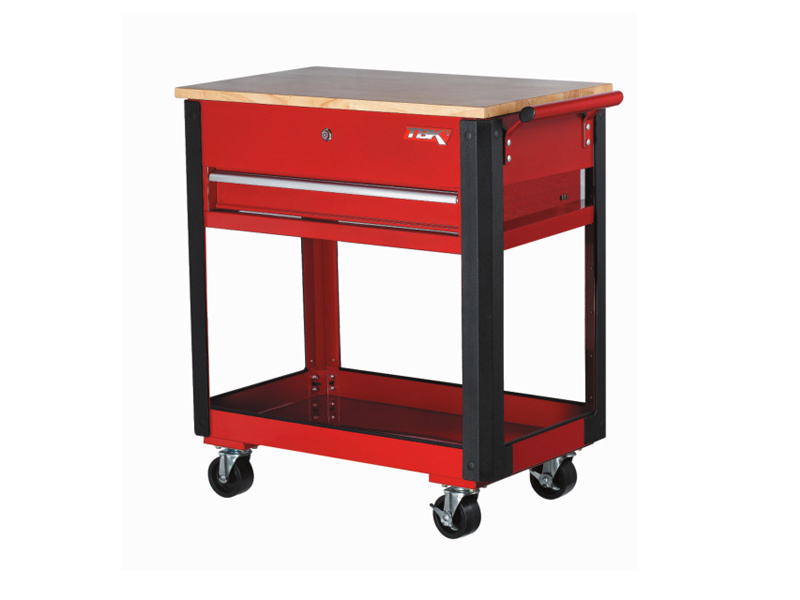
- **Mobility:** Consider workbenches with wheels for portability, enabling easy reconfiguration of your workspace.
- **Adjustable Heights:** Some workbenches offer height adjustments, ensuring comfort for multiple users and tasks.
4. Storage Solutions: Keeping Your Workspace Organized
An organized workspace leads to increased productivity. Efficient storage solutions integrated into your workbench are essential. Features to consider include:
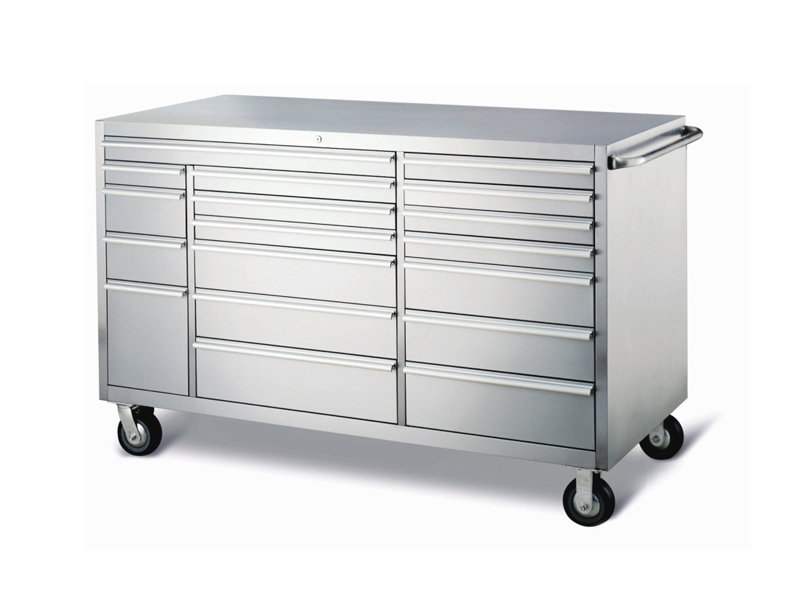
- **Drawers and Cabinets:** Built-in storage options help keep tools organized and accessible.
- **Pegboards and Hooks:** These can be added for tools that need to be readily available while working.
- **Shelving Options:** Overhead shelving can maximize vertical space, keeping the workbench clear of clutter.
5. Surface Material: Choosing the Right Top
The workbench surface material plays a significant role in its functionality. Different tasks require specific surface types:
- **Laminate Surfaces:** Ideal for general use and easy to clean.
- **Steel Tops:** Offer durability and are resistant to heavy impacts.
- **Wooden Tops:** Provide a softer surface, better suited for precision tasks.
5.1 Specific Tasks and Surface Needs
Depending on your specific tasks, you may need to invest in specialized surfaces. For example, electronics work requires anti-static surfaces, while heavy machining may need a solid steel top that can withstand impacts.
6. Safety Features: A Non-Negotiable Aspect
Safety in manufacturing cannot be compromised. When choosing a tool workbench, look for built-in safety features that can protect users:
- **Rounded Edges:** Reduces the risk of injury in a busy workshop.
- **Stable Base:** A workbench with a solid foundation minimizes the risk of tipping over when loaded.
- **Non-Slip Surfaces:** Helps prevent tools from sliding off the workbench during use.
7. Aesthetic and Branding: Reflecting Your Business Identity
While functionality is key, the aesthetics of your workbench can also impact your workspace. A visually appealing workbench can make your workshop more inviting and reflect your company’s brand:
- **Custom Colors:** Some manufacturers offer workbenches in various colors to match your branding.
- **Branding Options:** The ability to add your company’s logo to the workbench can enhance your business image.
8. Cost-Effectiveness: Balancing Quality and Budget
Finding a workbench that fits your budget while meeting all necessary features can be challenging. Consider the following:
- **Long-Term Investment:** Opt for workbenches that may have a higher upfront cost but offer long-term durability.
- **Warranty and Service:** Look for products with good warranties that can provide peace of mind regarding quality.
Conclusion: Choosing the Right Tool Workbench for Your Needs
Selecting the right tool workbench is a critical decision that can enhance the efficiency and safety of your manufacturing operations. By focusing on key features such as durability, size, versatility, storage solutions, surface material, safety, aesthetics, and cost-effectiveness, you can make an informed choice that meets your specific needs. Investing in a quality workbench not only improves productivity but also contributes to a safer and more organized workspace.
Frequently Asked Questions (FAQs)
1. What is the ideal height for a tool workbench?
The ideal height for a tool workbench typically ranges from 28 to 36 inches, depending on the tasks being performed and the height of the user. Adjustable height benches can also be beneficial.
2. How much weight can a typical tool workbench support?
Most tool workbenches can support between 300 to 1,500 pounds, depending on their construction material and design. Always check the manufacturer’s specifications for exact weight limits.
3. Can I customize my tool workbench?
Yes, many manufacturers offer customizable options, including modular designs and various accessories to suit your specific workshop needs.
4. How do I maintain my tool workbench?
Regular cleaning, checking for loose hardware, and resealing surfaces (if necessary) will help maintain the workbench's integrity and appearance over time.
5. Are there tool workbenches specifically designed for certain industries?
Yes, there are workbenches designed for specific industries, such as electronics, woodworking, or heavy machinery. Each type features tailored surfaces and storage to meet industry requirements.
By considering these factors and features, you will be well-equipped to choose the right tool workbench that enhances your workshop’s productivity and efficiency.
More information