Unlocking the Potential of Tool Workbenches: Essential Insights for Manufacturing and Machining
Release time:
Feb 04,2026
--- In the realm of manufacturing and machining, tool workbenches play a crucial role in the efficiency and effectiveness of operations. These specialized work surfaces are designed to accommodate various tools and equipment, providing a stable and organized environment for tasks ranging from assembly to maintenance. Understanding the features and benefits of tool workbenches can significantly enh

---
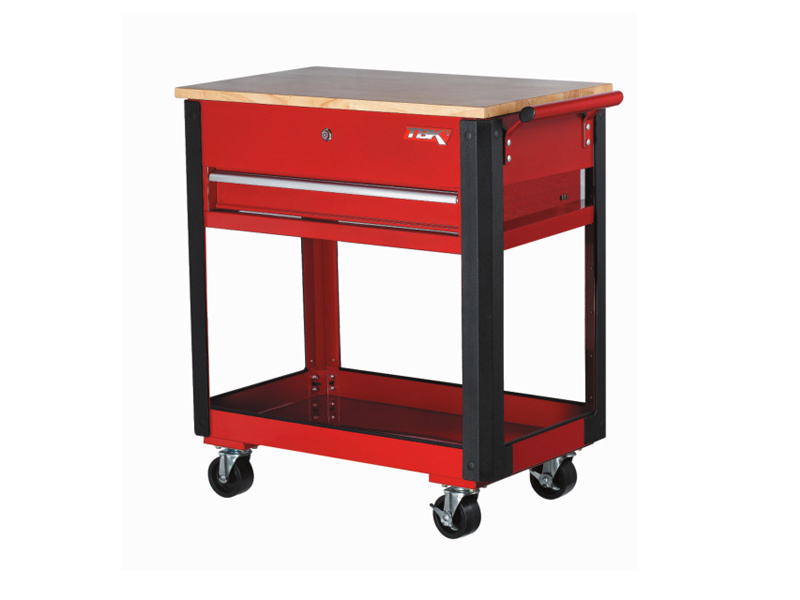
In the realm of manufacturing and machining, tool workbenches play a crucial role in the efficiency and effectiveness of operations. These specialized work surfaces are designed to accommodate various tools and equipment, providing a stable and organized environment for tasks ranging from assembly to maintenance. Understanding the features and benefits of tool workbenches can significantly enhance productivity in your workshop.
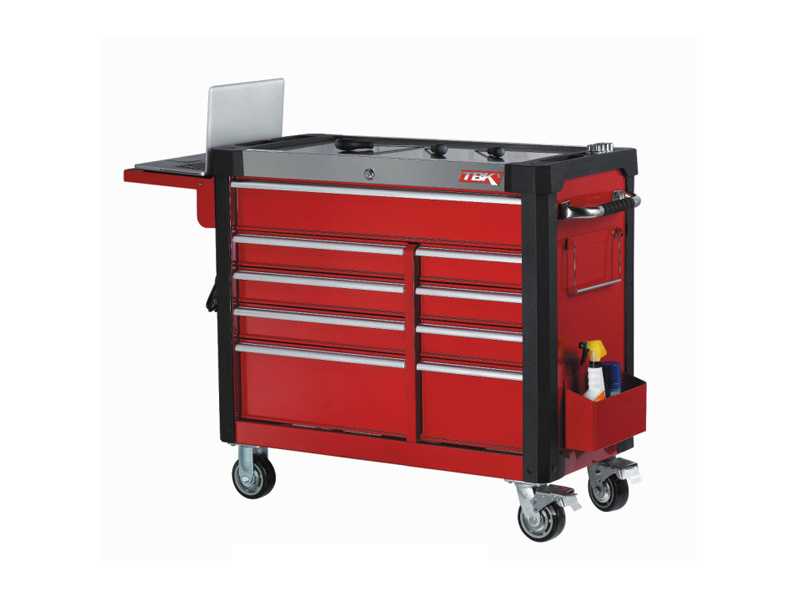
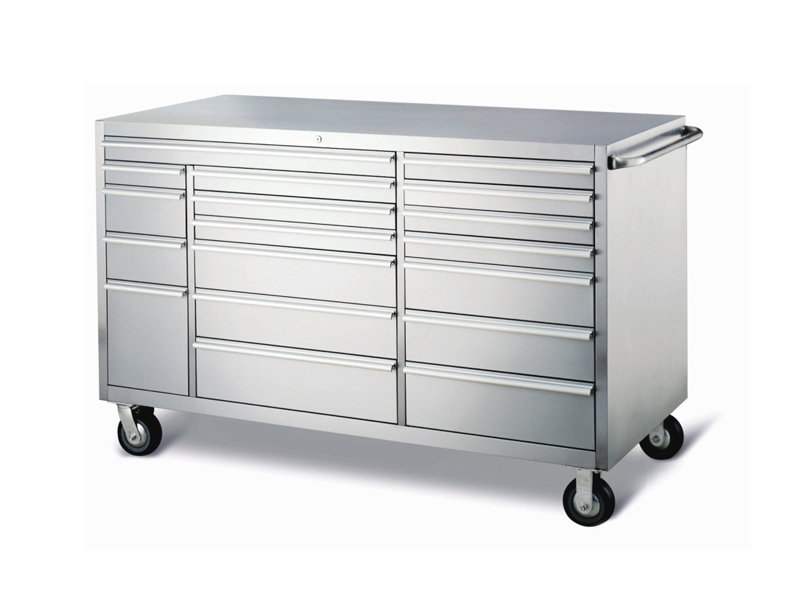
One of the primary advantages of tool workbenches is their ability to increase organization. A well-structured workbench allows for easy access to tools, reducing the time spent searching for equipment. This organization can be achieved through the use of drawers, shelves, and pegboards, which can be customized based on the specific needs of your operations. Such arrangements not only streamline workflow but also minimize distractions, allowing operators to focus on the task at hand.
Ergonomics is another critical aspect of tool workbenches. The height and layout of a workbench can significantly influence comfort levels for operators. Ideally, a workbench should be designed to minimize strain on the body, promoting better posture and reducing the risk of injury. Adjustable height options can further enhance usability, allowing multiple operators of varying heights to work comfortably.
Durability is paramount in the selection of tool workbenches. Given the demanding nature of manufacturing environments, workbenches must be constructed from robust materials capable of withstanding heavy use. Common materials include steel and high-density laminate, which offer both strength and resistance to wear. By investing in a durable workbench, businesses can ensure a longer lifespan, ultimately leading to cost savings over time.
Moreover, tool workbenches can be equipped with additional features to enhance their functionality. Integrated power strips, lighting, and tool holders can be incorporated to provide a comprehensive workspace that meets all operational needs. Such enhancements not only improve efficiency but also contribute to a safer working environment by reducing clutter and potential hazards.
In conclusion, tool workbenches are indispensable assets in manufacturing and machining sectors. They facilitate organization, promote ergonomic practices, and offer durability tailored to the rigors of industrial environments. By recognizing the significance of tool workbenches and selecting the right one for your specific operations, you can substantially improve productivity and create a safer, more efficient workspace. Whether you're setting up a new shop or upgrading existing equipment, investing in a quality tool workbench is a step toward optimizing your manufacturing processes.
In the realm of manufacturing and machining, tool workbenches play a crucial role in the efficiency and effectiveness of operations. These specialized work surfaces are designed to accommodate various tools and equipment, providing a stable and organized environment for tasks ranging from assembly to maintenance. Understanding the features and benefits of tool workbenches can significantly enhance productivity in your workshop.
One of the primary advantages of tool workbenches is their ability to increase organization. A well-structured workbench allows for easy access to tools, reducing the time spent searching for equipment. This organization can be achieved through the use of drawers, shelves, and pegboards, which can be customized based on the specific needs of your operations. Such arrangements not only streamline workflow but also minimize distractions, allowing operators to focus on the task at hand.
Ergonomics is another critical aspect of tool workbenches. The height and layout of a workbench can significantly influence comfort levels for operators. Ideally, a workbench should be designed to minimize strain on the body, promoting better posture and reducing the risk of injury. Adjustable height options can further enhance usability, allowing multiple operators of varying heights to work comfortably.
Durability is paramount in the selection of tool workbenches. Given the demanding nature of manufacturing environments, workbenches must be constructed from robust materials capable of withstanding heavy use. Common materials include steel and high-density laminate, which offer both strength and resistance to wear. By investing in a durable workbench, businesses can ensure a longer lifespan, ultimately leading to cost savings over time.
Moreover, tool workbenches can be equipped with additional features to enhance their functionality. Integrated power strips, lighting, and tool holders can be incorporated to provide a comprehensive workspace that meets all operational needs. Such enhancements not only improve efficiency but also contribute to a safer working environment by reducing clutter and potential hazards.
In conclusion, tool workbenches are indispensable assets in manufacturing and machining sectors. They facilitate organization, promote ergonomic practices, and offer durability tailored to the rigors of industrial environments. By recognizing the significance of tool workbenches and selecting the right one for your specific operations, you can substantially improve productivity and create a safer, more efficient workspace. Whether you're setting up a new shop or upgrading existing equipment, investing in a quality tool workbench is a step toward optimizing your manufacturing processes.
More information