How to Choose the Perfect Tool Workbench for Your Workshop
Release time:
Feb 07,2026
How to Choose the Perfect Tool Workbench for Your Workshop When it comes to setting up a functional and efficient workshop, one of the most critical components is undoubtedly the tool workbench. A quality workbench not only provides a sturdy surface for various projects but also enhances your workflow by keeping tools organized and accessible. In this guide, we will delve into essential considerat

How to Choose the Perfect Tool Workbench for Your Workshop
When it comes to setting up a functional and efficient workshop, one of the most critical components is undoubtedly the tool workbench. A quality workbench not only provides a sturdy surface for various projects but also enhances your workflow by keeping tools organized and accessible. In this guide, we will delve into essential considerations to help you choose the **perfect tool workbench** for your workshop, ensuring that you maximize both productivity and comfort.
Table of Contents
- Understanding Your Workshop Needs
- Types of Tool Workbenches
- Dimensions and Space Constraints
- Material and Durability Considerations
- Weight Capacity and Stability
- Essential Features and Attachments
- Budget Considerations: Finding the Right Workbench for Your Needs
- Maintaining Your Tool Workbench
- Conclusion
Understanding Your Workshop Needs
Before selecting a workbench, it is crucial to assess your specific needs. What types of projects do you plan to undertake? Are you a hobbyist, professional woodworker, or perhaps a mechanic? The nature of your work will significantly influence the type of workbench that is best suited for you. Consider the following factors:
Project Types
- **Woodworking**: If your focus is on woodworking, a bench with a vises and dog holes may be beneficial.
- **Metalworking**: For metalworking projects, a more robust, heavy-duty workbench may be necessary.
- **General Repairs**: A multipurpose workbench can accommodate various tasks, from repairs to crafts.
Frequency of Use
How often will you use the workbench? Frequent use requires a more durable and stable option, whereas occasional use may allow for a more portable or lightweight design.
Types of Tool Workbenches
Understanding the various types of workbenches available can help you narrow down your choices effectively. Here are some common types:
Fixed Workbenches
These are designed to remain in one location and offer stability and durability. They are ideal for dedicated workshops where space is not an issue.
Foldable or Portable Workbenches
These benches are lightweight and can be easily stored or moved. Perfect for those with limited space or who need versatility on the go.
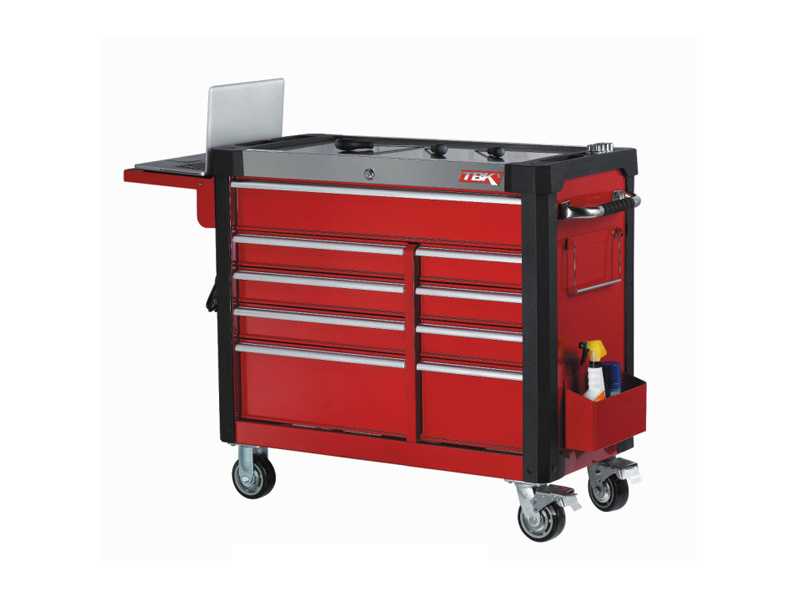
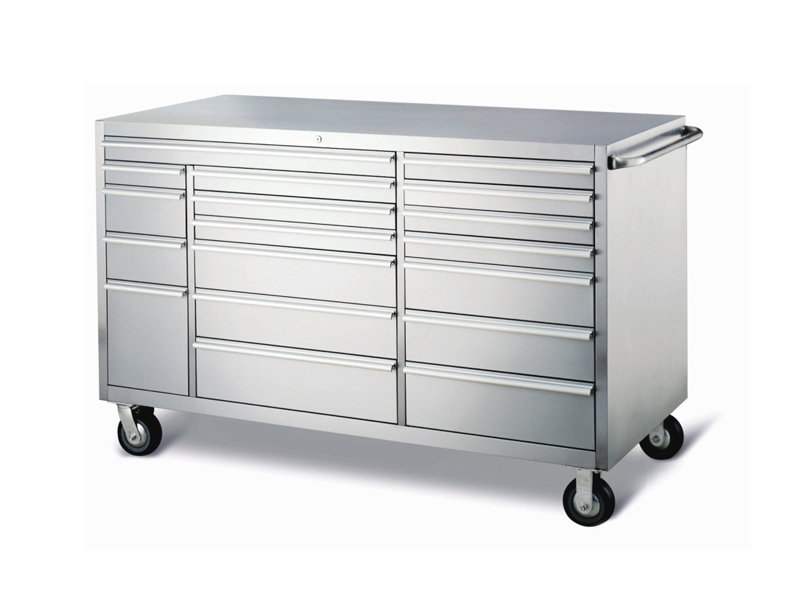
Workbenches with Storage
Some workbenches come equipped with built-in drawers, shelves, or cabinets. This feature helps keep tools organized and reduces clutter.
Dimensions and Space Constraints
The size of your workspace will play a significant role in the type and size of workbench you can accommodate. Measure your available space carefully, taking into account not only the workbench size but also walking space and room for tool access.
Standard Workbench Dimensions
Most workbenches range from 28 to 36 inches in height. The width and length can vary based on the intended use, but a standard size might be 60 inches long and 30 inches wide.
Height Considerations
Choose a height that is comfortable for you, allowing for proper posture while working. Adjustable height workbenches can provide flexibility as well.
Material and Durability Considerations
The material of your workbench directly affects its durability and functionality. Common materials include:
Wood
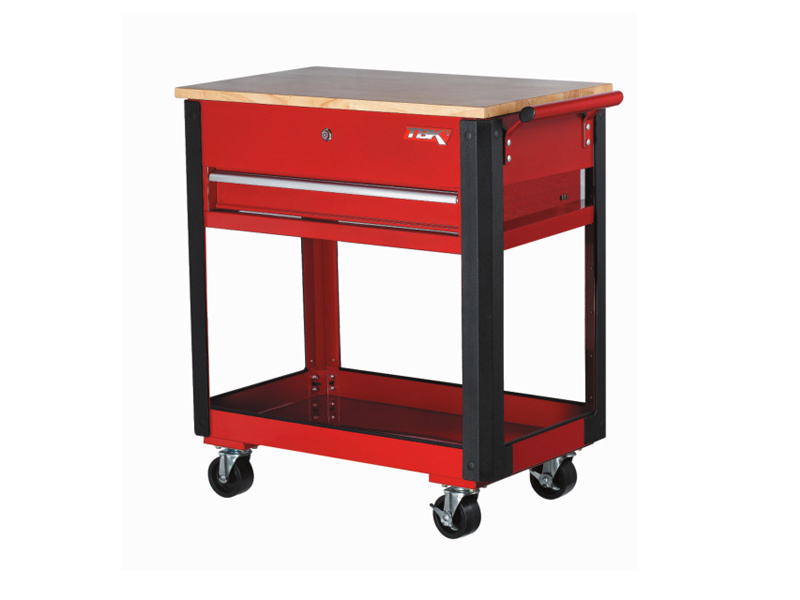
- **Pros**: Offers good shock absorption and a natural aesthetic.
- **Cons**: Prone to warping and damage from moisture.
Metal
- **Pros**: Highly durable and resistant to wear.
- **Cons**: Can be heavy and may require additional surface protection for certain tasks.
Composite Materials
Composite surfaces combine the benefits of both wood and metal, offering durability while being lighter and more resistant to damage.
Weight Capacity and Stability
Understanding the weight capacity of your workbench is crucial, especially if you plan to handle heavy tools or materials. A workbench should be stable enough to prevent wobbling during use.
Assessing Weight Capacity
Look for benches that provide clear specifications regarding their weight capacity. Heavy-duty options typically support over 1,000 pounds, making them suitable for the most demanding tasks.
Stability Factors
Ensure the workbench has a solid base and consider models with additional support features, such as cross-bracing or adjustable feet to accommodate uneven floors.
Essential Features and Attachments
A well-equipped workbench can enhance productivity. Look for these essential features:
Vices and Clamps
Integrated vices or the ability to attach clamps can hold workpieces securely, allowing for precision work.
Power Outlets
Built-in electrical outlets can power tools directly from the workbench, streamlining your workflow.
Lighting
Adequate lighting is crucial for detailed work. Consider benches with integrated LED lighting options.
Budget Considerations: Finding the Right Workbench for Your Needs
Investing in a workbench is an important decision, and setting a budget will help narrow your options. While it may be tempting to opt for the cheapest option, consider the long-term value and durability of the bench.
Price Ranges
- **Budget Options**: Typically range from $100 to $300, suitable for light use.
- **Mid-Range Options**: Priced between $300 and $800, offering a balance of quality and features.
- **Premium Options**: High-quality benches can range from $800 to over $2,000, designed for professional use.
Value for Money
Consider the features and durability in relation to the price. A slightly higher investment may yield a workbench that lasts longer and meets your needs more effectively.
Maintaining Your Tool Workbench
Proper maintenance will prolong the life of your workbench and ensure it remains functional and aesthetically pleasing.
Regular Cleaning
Dust and debris can accumulate over time. Regularly wipe down your workbench with a suitable cleaner to keep it in good condition.
Inspecting for Damage
Periodically check for any signs of wear or damage. Addressing minor issues promptly can prevent larger problems down the line.
Protective Coatings
If your workbench is made of wood, consider applying a protective finish to guard against moisture and wear. For metal workbenches, a protective coating can prevent rust and scratches.
Conclusion
Choosing the **perfect tool workbench** for your workshop is a decision that requires careful consideration of your specific needs, workspace, and budget. By understanding the different types of workbenches, their materials, and essential features, you can make a well-informed decision that elevates your workspace efficiency and enhances your overall productivity. Investing in a quality workbench is not just about functionality; it’s about creating an environment that supports your creativity and craftsmanship. So take the time to evaluate your options, and soon you'll have the ideal workbench that meets all your workshop requirements.
FAQs
1. What is the ideal height for a workbench?
The ideal height for a workbench generally ranges from 28 to 36 inches, depending on your height and the type of work you'll be doing.
2. Can I build my own workbench?
Absolutely! Many enthusiasts choose to build custom workbenches tailored to their specific needs, utilizing a variety of materials and designs.
3. How do I determine the right size workbench for my space?
Measure your workspace and consider the types of projects you'll be undertaking. Make sure to leave adequate space for movement and access to tools.
4. What features should I look for in a portable workbench?
Look for lightweight materials, easy folding mechanisms, and built-in storage options for tools and accessories.
5. How can I enhance the stability of my workbench?
Consider workbenches with reinforced bases, adjustable feet, or additional cross-bracing to improve stability, especially if working with heavy materials.
More information