Maximizing Efficiency with Tool Workbenches: Essential Insights for Professionals
Release time:
Feb 10,2026
In the realm of manufacturing and machining, tool workbenches serve as the backbone of operational efficiency. These specialized surfaces are designed to accommodate various tools and equipment, providing a dedicated workspace that enhances productivity and organization. Understanding the significance of tool workbenches can greatly impact your workflow and output quality. Firstly, a tool workbenc

In the realm of manufacturing and machining, tool workbenches serve as the backbone of operational efficiency. These specialized surfaces are designed to accommodate various tools and equipment, providing a dedicated workspace that enhances productivity and organization. Understanding the significance of tool workbenches can greatly impact your workflow and output quality.
Firstly, a tool workbench is more than just a flat surface; it is a comprehensive system that integrates functionality with design. A well-constructed workbench allows for easy access to tools, reducing the time spent searching for equipment and thereby streamlining the entire machining process. By having a designated area for tools, operators can maintain a tidy workspace, which is crucial for safety and efficiency.
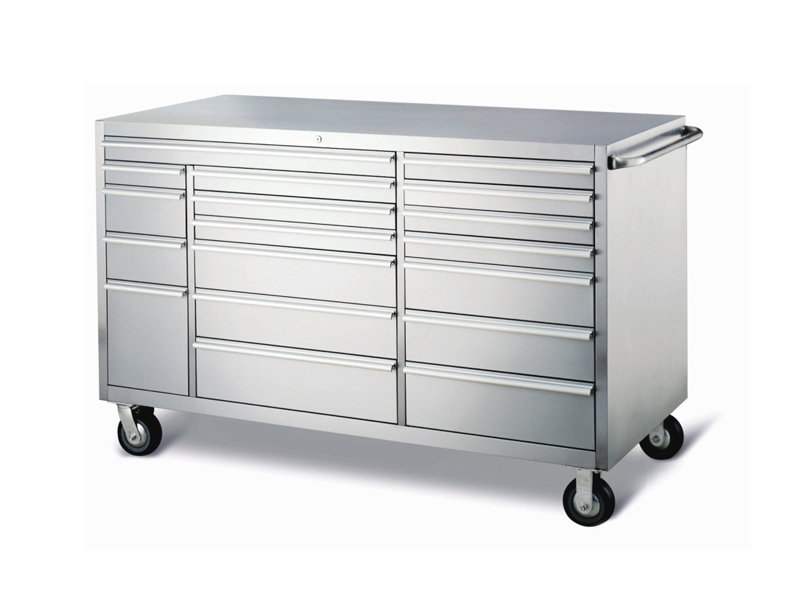
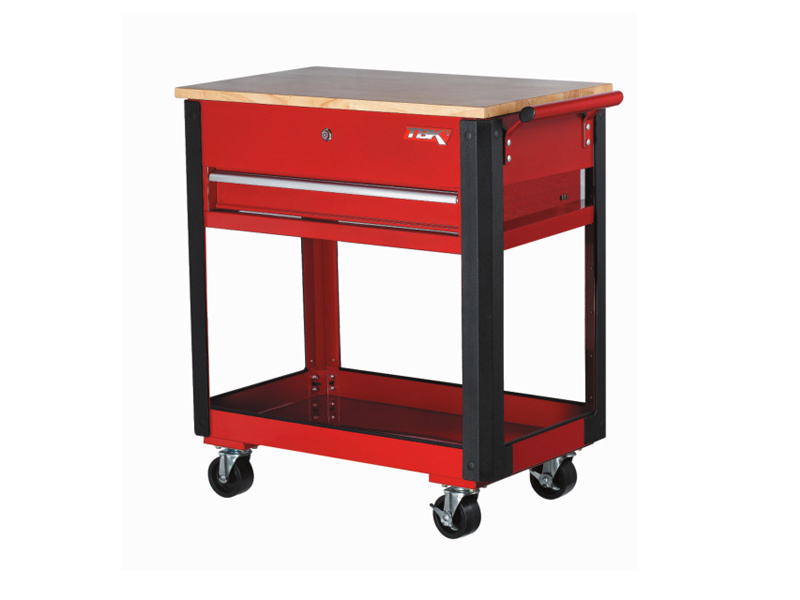
When selecting a tool workbench, professionals must consider several factors. The bench's height is paramount; a properly adjusted height can prevent strain and fatigue, allowing workers to perform at their best. Additionally, the material of the workbench should be durable enough to withstand the rigors of machining tasks. Metal surfaces, for example, are often preferred for their resilience against wear and tear.
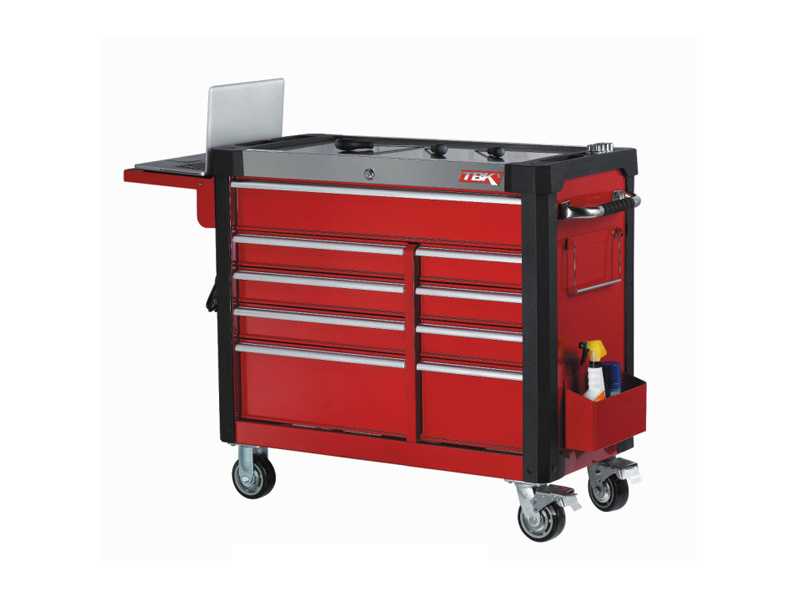
Another vital aspect to consider is storage. Many tool workbenches come equipped with drawers, cabinets, or pegboards to facilitate tool organization. This level of organization not only accelerates task completion but also minimizes the risk of accidents caused by misplaced tools.
Moreover, incorporating features such as adjustable shelving or integrated power outlets can further enhance the utility of a tool workbench. These additions allow for flexibility in workspace arrangement and ensure that all necessary tools and equipment are within arm's reach, fostering a more efficient work environment.
In the context of lean manufacturing principles, tool workbenches play a crucial role in minimizing waste. A well-designed workspace can significantly reduce unnecessary movements and time lost in searching for tools, which directly contributes to better productivity rates.
Finally, investing in high-quality tool workbenches aligns with the broader goals of any manufacturing operation. They not only improve efficiency but also contribute to the longevity of tools and equipment used in the machining process. By protecting tools from damage and wear, a well-structured workbench can lead to cost savings over time.
In conclusion, tool workbenches are essential components in the manufacturing and machining sectors. They serve to enhance productivity, organization, and overall operational efficiency. By carefully selecting and optimizing tool workbenches, professionals can create an environment that fosters success and innovation in their workflows. Remember, the right workbench can make all the difference in achieving optimal results in your manufacturing operations.
Firstly, a tool workbench is more than just a flat surface; it is a comprehensive system that integrates functionality with design. A well-constructed workbench allows for easy access to tools, reducing the time spent searching for equipment and thereby streamlining the entire machining process. By having a designated area for tools, operators can maintain a tidy workspace, which is crucial for safety and efficiency.
When selecting a tool workbench, professionals must consider several factors. The bench's height is paramount; a properly adjusted height can prevent strain and fatigue, allowing workers to perform at their best. Additionally, the material of the workbench should be durable enough to withstand the rigors of machining tasks. Metal surfaces, for example, are often preferred for their resilience against wear and tear.
Another vital aspect to consider is storage. Many tool workbenches come equipped with drawers, cabinets, or pegboards to facilitate tool organization. This level of organization not only accelerates task completion but also minimizes the risk of accidents caused by misplaced tools.
Moreover, incorporating features such as adjustable shelving or integrated power outlets can further enhance the utility of a tool workbench. These additions allow for flexibility in workspace arrangement and ensure that all necessary tools and equipment are within arm's reach, fostering a more efficient work environment.
In the context of lean manufacturing principles, tool workbenches play a crucial role in minimizing waste. A well-designed workspace can significantly reduce unnecessary movements and time lost in searching for tools, which directly contributes to better productivity rates.
Finally, investing in high-quality tool workbenches aligns with the broader goals of any manufacturing operation. They not only improve efficiency but also contribute to the longevity of tools and equipment used in the machining process. By protecting tools from damage and wear, a well-structured workbench can lead to cost savings over time.
In conclusion, tool workbenches are essential components in the manufacturing and machining sectors. They serve to enhance productivity, organization, and overall operational efficiency. By carefully selecting and optimizing tool workbenches, professionals can create an environment that fosters success and innovation in their workflows. Remember, the right workbench can make all the difference in achieving optimal results in your manufacturing operations.
More information