The Ultimate Guide to Choosing the Right Tool Box for Your Needs
Release time:
Mar 26,2025
The Ultimate Guide to Choosing the Right Tool Box for Your Needs Choosing the right tool box is crucial for anyone who values organization, efficiency, and the longevity of their tools. Whether you are a professional tradesperson or a DIY enthusiast, the right tool box will help you keep your tools safe, organized, and easily accessible. In this guide, we delve deep into the factors you should con

The Ultimate Guide to Choosing the Right Tool Box for Your Needs
Choosing the right tool box is crucial for anyone who values organization, efficiency, and the longevity of their tools. Whether you are a professional tradesperson or a DIY enthusiast, the right tool box will help you keep your tools safe, organized, and easily accessible. In this guide, we delve deep into the factors you should consider when selecting a tool box that best suits your needs.
Table of Contents
- 1. Understanding Tool Boxes: A Brief Overview
- 2. Different Types of Tool Boxes on the Market
- 3. Key Features to Look for in a Tool Box
- 4. Budget Considerations for Your Tool Box
- 5. Trusted Brands and Reviews
- 6. Maintenance Tips for Longevity
- 7. Conclusion
- 8. Frequently Asked Questions
1. Understanding Tool Boxes: A Brief Overview
A tool box is an essential storage solution designed to keep your tools organized and protected. They vary widely in size, material, and design. Understanding the different aspects of tool boxes can greatly enhance your selection process. Knowing your specific needs will guide you in determining which type of tool box will serve you best, whether you're storing hand tools, power tools, or both.
2. Different Types of Tool Boxes on the Market
Before making a decision, it's important to familiarize yourself with the various types of tool boxes available. Each type has its advantages and is suited for different uses.
2.1 Plastic Tool Boxes
Plastic tool boxes are lightweight, portable, and often less expensive. They are generally resistant to rust and corrosion, making them a good choice for those who need a basic storage solution. However, they may not offer the same level of durability as metal options, especially for heavy tools.
2.2 Metal Tool Boxes
Metal tool boxes are known for their strength and durability. They provide excellent protection against physical damage and are ideal for storing heavy-duty tools. While they can be heavier and more expensive, their longevity often justifies the investment.
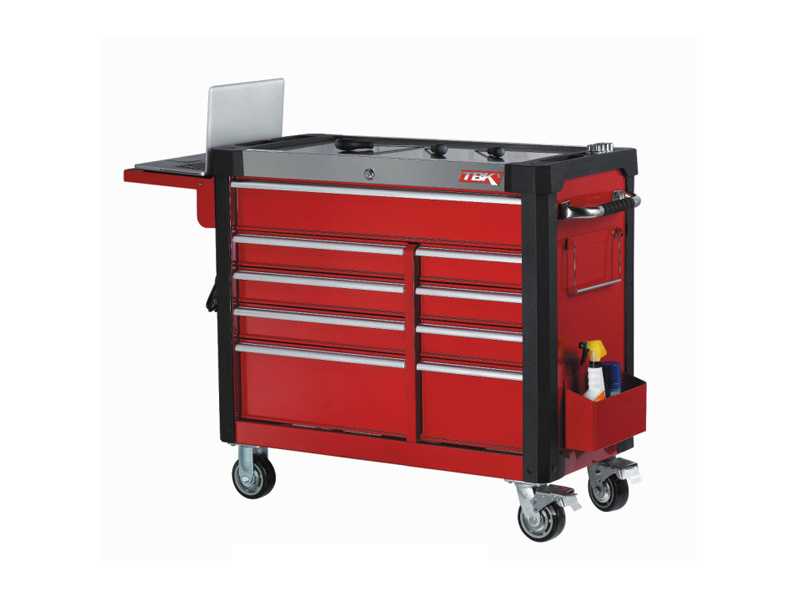
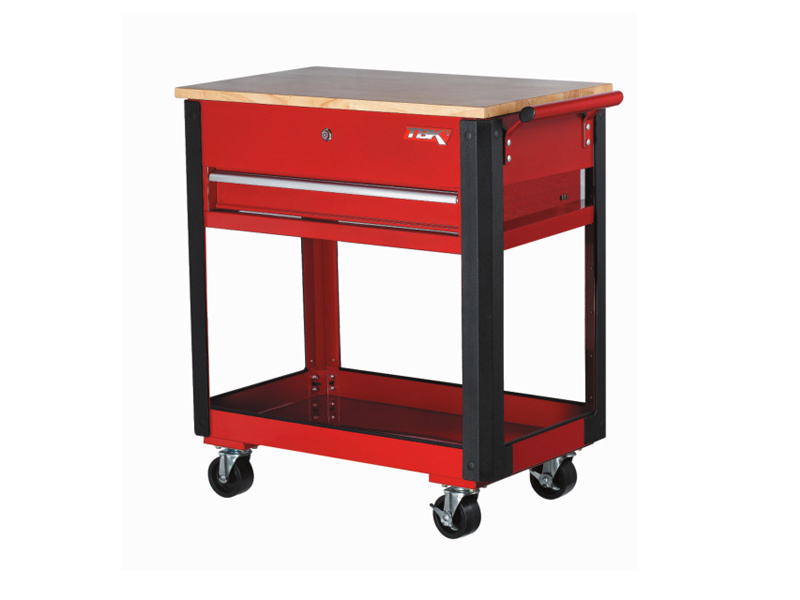
2.3 Rolling Tool Boxes
Rolling tool boxes combine convenience and storage capacity. They typically feature wheels and a handle for easy transport, making them perfect for job sites where tools need to be moved frequently. These are ideal for professionals who require mobility and organization in one solution.
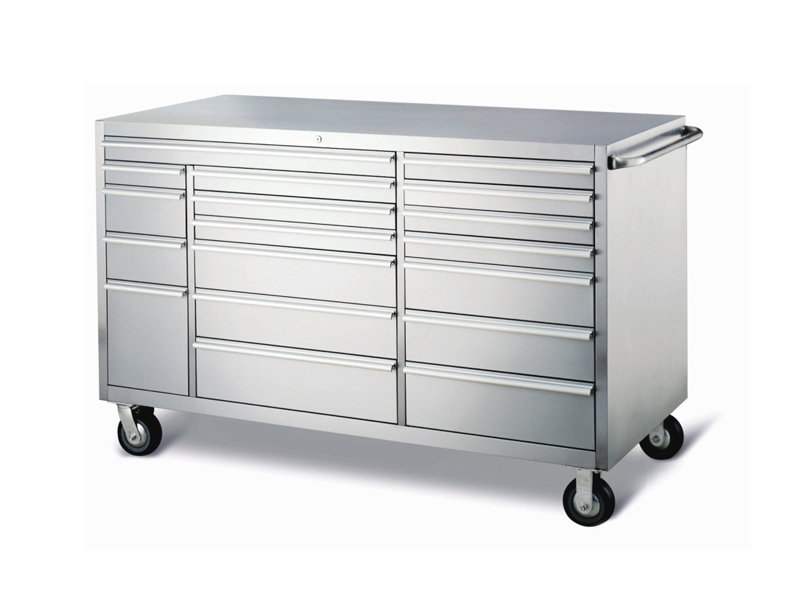
2.4 Tool Chests
Tool chests are larger storage units that often come with multiple drawers and compartments. They're perfect for those with extensive tool collections. These are typically used in workshops or garages and provide ample organization options.
3. Key Features to Look for in a Tool Box
When choosing a tool box, several key features should factor into your decision-making process. Understanding these features will ensure you select a box that meets your needs.
3.1 Size and Capacity
Evaluate the size of your tool collection and select a box that can accommodate your needs. Consider not only the current tools you have but also potential future purchases. A tool box that is too small can lead to disorganization, while one that is too large may take up unnecessary space.
3.2 Durability and Material
Assess the materials used in the construction of the tool box. Metal options generally offer better durability but can be heavier. Plastic is lighter and more portable but may not withstand heavy impacts. Look for tool boxes that feature reinforced corners and robust construction for added durability.
3.3 Organization Options
Consider the organizational features of the tool box. Features such as removable trays, dividers, and tool holders can help keep your tools organized. A well-organized tool box saves time and enhances productivity.
3.4 Portability
If you frequently transport your tools, portability becomes a significant factor. Look for options with comfortable handles, wheels, and a design that allows for easy movement without straining your back.
4. Budget Considerations for Your Tool Box
Establishing a budget is essential when purchasing a tool box. Prices can vary widely based on size, material, and brand. Determine what features are most important to you and balance them against your budget constraints. Remember, investing in a higher-quality tool box can save you money in the long run by protecting your tools and providing long-lasting use.
5. Trusted Brands and Reviews
Researching trusted brands can provide valuable insight into which tool boxes are worth your investment. Look for brands known for their durability and innovative features. Reading customer reviews can also help you understand the pros and cons of different models from a user perspective.
6. Maintenance Tips for Longevity
To ensure your tool box stands the test of time, regular maintenance is essential. Here are some tips:
- Keep your tool box clean and free of debris.
- Check for any signs of wear and tear regularly.
- Lubricate hinges and locks to ensure smooth operation.
- Store your tool box in a dry area to prevent rust and corrosion.
7. Conclusion
Choosing the right tool box is a critical decision that can enhance your productivity and protect your tools. By considering factors such as type, size, durability, and organization features, you can make an informed choice that meets your specific needs. Whether you opt for a lightweight plastic option or a sturdy metal chest, the right tool box will not only keep your tools secure but also make your projects more manageable.
8. Frequently Asked Questions
1. What size tool box should I buy?
Your tool box size should depend on the number and types of tools you own. Consider future additions to your collection as well.
2. Are plastic tool boxes worth it?
Yes, plastic tool boxes are lightweight and resistant to rust, making them a good option for lighter tools and portability.
3. How can I keep my tool box organized?
Use trays, dividers, and labels to categorize your tools. Regularly clean and declutter your tool box to maintain organization.
4. What's the advantage of a rolling tool box?
Rolling tool boxes provide mobility and often have ample storage, making them ideal for professionals who move between job sites.
5. How often should I maintain my tool box?
Regular maintenance should be performed monthly or as needed, especially if you use your tools frequently. Keeping it clean and checking for wear can prolong its lifespan.
More information