Unleashing Efficiency: Why a Stainless Steel Workbench is Essential for Your Workshop
Release time:
Jan 18,2025
Unleashing Efficiency: Why a Stainless Steel Workbench is Essential for Your Workshop In today’s fast-paced manufacturing environment, every detail in your workshop can contribute to efficiency and productivity. One of the most crucial elements that often gets overlooked is the workbench. Among the various options available, **stainless steel workbenches** stand out due to their multitude of benef

Unleashing Efficiency: Why a Stainless Steel Workbench is Essential for Your Workshop
In today’s fast-paced manufacturing environment, every detail in your workshop can contribute to efficiency and productivity. One of the most crucial elements that often gets overlooked is the workbench. Among the various options available, **stainless steel workbenches** stand out due to their multitude of benefits. This article delves into the advantages of incorporating a stainless steel workbench into your workspace, thereby unleashing the potential for enhanced operational efficiency.
Table of Contents
- 1. Introduction to Stainless Steel Workbenches
- 2. Benefits of Stainless Steel Workbenches
- 3. Design Features of Stainless Steel Workbenches
- 4. Applications of Stainless Steel Workbenches
- 5. Installation and Maintenance
- 6. Cost Considerations
- 7. Conclusion
- 8. Frequently Asked Questions
1. Introduction to Stainless Steel Workbenches
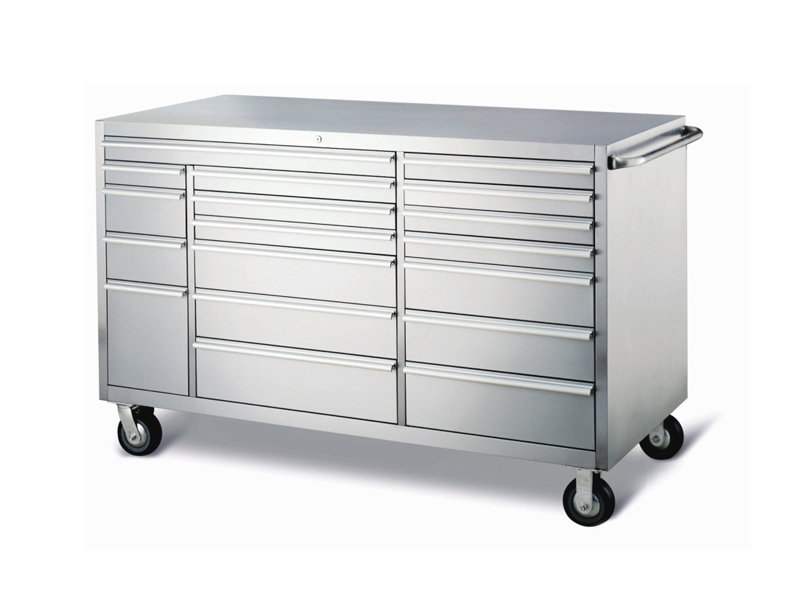
A **stainless steel workbench** is not just a tool; it's an essential component of any workshop aiming for efficiency and productivity. Known for their robust construction and exceptional resistance to damage, these workbenches serve as the backbone for various tasks, from assembly to diagnostics. In this article, we will explore why stainless steel workbenches are invaluable assets for both professional and personal use.
2. Benefits of Stainless Steel Workbenches
2.1 Durability and Longevity
One of the most significant advantages of **stainless steel workbenches** is their durability. Made from high-quality stainless steel, these benches resist rust, corrosion, and stains. This resilience not only ensures a longer lifespan but also minimizes the need for frequent replacements, thereby saving costs in the long run. The heavy-duty nature of stainless steel can withstand impacts and heavy loads, making it ideal for demanding environments.
2.2 Hygiene and Cleanliness
For industries such as food preparation and laboratories, maintaining hygiene is paramount. Stainless steel surfaces are non-porous, which prevents bacterial growth and makes cleaning straightforward. A simple wipe-down is often all that's needed, ensuring that your workspace remains compliant with health standards. This characteristic is not only beneficial for food safety but also for maintaining overall workplace cleanliness.
2.3 Versatility in Use
Stainless steel workbenches are incredibly versatile. Whether you are assembling mechanical parts, conducting experiments, or preparing food, these benches can accommodate diverse tasks. They can also be outfitted with various accessories, such as tool holders and shelves, to enhance their functionality, making them adaptable to a wide range of workshop situations.
3. Design Features of Stainless Steel Workbenches
3.1 Customization Options
When it comes to workspace design, customization is critical. Many manufacturers offer **custom stainless steel workbenches** tailored to your specific needs. You can choose dimensions, weight capacities, and additional features like drawers or shelving. This ensures that your workbench fits perfectly into your workshop layout and meets your operational requirements.
3.2 Ergonomics for Comfort and Efficiency
Ergonomics plays a vital role in workplace productivity. Stainless steel workbenches can be designed to meet ergonomic standards, reducing strain and fatigue during prolonged use. Features such as adjustable height can make a significant difference, allowing workers to adapt the workstation to their comfort while ensuring that tasks are performed efficiently and safely.
4. Applications of Stainless Steel Workbenches
4.1 Manufacturing Industry
In the manufacturing sector, a **stainless steel workbench** is often utilized for assembly, inspection, and quality control processes. The robustness of stainless steel allows it to handle heavy machinery and tools, while its cleanable surface ensures compliance with safety regulations. Additionally, the aesthetic appeal of stainless steel can enhance the overall look of a manufacturing facility.
4.2 Laboratory Environment
With stringent cleanliness and safety requirements, laboratories greatly benefit from stainless steel workbenches. These benches are designed to withstand chemical spills and are easy to disinfect, making them the perfect choice for research and laboratory settings. Their durability means they can support sensitive equipment and materials without risk.
4.3 Food Preparation
In kitchens and food preparation areas, **stainless steel workbenches** are essential for maintaining hygiene standards. They are often used for food assembly and preparation, as the non-porous surface prevents contamination. Furthermore, many stainless steel workbenches come with built-in sinks and storage options, enhancing their functionality in commercial kitchens.
5. Installation and Maintenance
Installing a **stainless steel workbench** is generally a straightforward process. Most models come with easy-to-follow instructions, and in many cases, they can be assembled without professional help. Regular maintenance involves cleaning the surface with appropriate cleaners to remove any stains or residues. Stainless steel does not require special treatments, making it a low-maintenance option for workshops.
6. Cost Considerations
The initial investment in a **stainless steel workbench** may be higher compared to other materials like wood or plastic. However, considering their durability, low maintenance costs, and versatility, they often prove to be more economical in the long run. When evaluating cost, consider the longevity and the potential for increased productivity due to the efficiency these workbenches offer.
7. Conclusion
Investing in a **stainless steel workbench** can significantly enhance the efficiency and functionality of your workshop. With unparalleled durability, hygiene, versatility, and customization options, these workbenches meet the diverse needs of various industries. Whether you're in manufacturing, food preparation, or laboratory work, a stainless steel workbench is not just a tool but a vital asset that can streamline your processes and elevate your workspace to new heights. Embrace the advantages that come with a stainless steel workbench, and watch your productivity soar.
8. Frequently Asked Questions
1. What are the main benefits of using a stainless steel workbench?
The main benefits of using a stainless steel workbench include durability, ease of cleaning, resistance to corrosion, and versatility for various tasks across different industries.
2. Can stainless steel workbenches be customized?
Yes, many manufacturers offer customization options for stainless steel workbenches, including size, weight capacity, and additional features like drawers and shelves.
3. How do I maintain a stainless steel workbench?
Maintaining a stainless steel workbench involves regular cleaning with appropriate cleaners to remove stains or residues. It does not require special treatments.
4. Are stainless steel workbenches expensive?
While the initial cost may be higher than other materials, the durability and low maintenance of stainless steel workbenches often result in long-term savings.
5. In which industries are stainless steel workbenches commonly used?
Stainless steel workbenches are commonly used in manufacturing, laboratories, and food preparation areas due to their durability, hygiene, and versatility.
More information