Top Features to Look for in the Best Tool Carts for Machining
Release time:
Dec 10,2025
Top Features to Look for in the Best Tool Carts for Machining Introduction to Tool Carts in Machining In the fast-paced world of machining, efficiency is paramount. **Tool carts** serve as essential allies in organizing tools and components, allowing machinists to focus on precision and productivity. Whether you are a seasoned professional or a new entrant into the machining industry, selectin

Top Features to Look for in the Best Tool Carts for Machining
Introduction to Tool Carts in Machining
In the fast-paced world of machining, efficiency is paramount. **Tool carts** serve as essential allies in organizing tools and components, allowing machinists to focus on precision and productivity. Whether you are a seasoned professional or a new entrant into the machining industry, selecting the right tool cart can significantly impact your workflow. This article delves into the top features to consider, ensuring you make an informed decision when choosing the best tool cart for your needs.
1. Durability: The Backbone of Tool Carts
Durability is a critical feature that cannot be overlooked when selecting a tool cart for machining. Given the rugged environment of machine shops, the cart needs to withstand heavy usage and potentially harsh conditions. Look for tool carts made from high-quality materials such as steel or heavy-duty plastic.
1.1 Material Quality
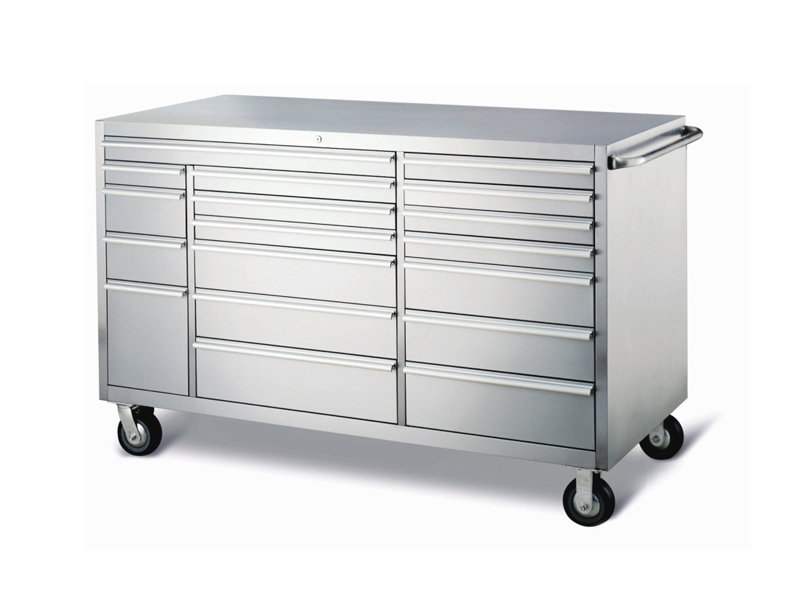
The material not only affects durability but also impacts the overall weight capacity of the cart. Steel tool carts, for instance, provide enhanced durability and can support heavier loads than their plastic counterparts.
1.2 Welded vs. Bolted Construction
Welded construction offers more robust structural integrity compared to bolted options, making it less likely to wear out over time. Investing in a well-constructed tool cart means fewer replacements and repairs in the long run.
2. Mobility: Easy Maneuverability for Workflow Optimization
Mobility is another vital feature to consider. A tool cart should be easy to move around the shop without causing disruptions. Look for the following components:
2.1 Wheel Quality and Size
The wheels should be sturdy and ideally made from rubber or polyurethane to ensure smooth movement across various surfaces. Larger wheels can also navigate obstacles more effectively.
2.2 Locking Mechanism
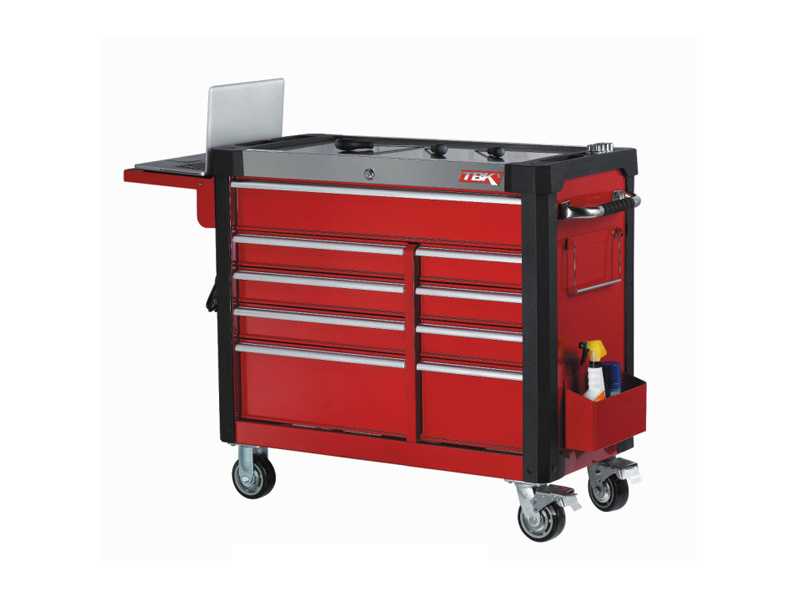
Locking wheels are essential for safety and stability, especially when working on uneven surfaces. This feature prevents accidental movements during critical operations, ensuring that your tools remain securely in place.
3. Storage Capacity: Maximizing Organization and Efficiency
A tool cart's storage capacity is vital for keeping tools organized and accessible. Consider the following aspects:
3.1 Drawer Size and Configuration
Choose a tool cart with multiple drawers of varying sizes to accommodate different tools and accessories. Deep drawers are ideal for larger tools, while shallower ones can store smaller items like screws and wrenches.
3.2 Shelf Space
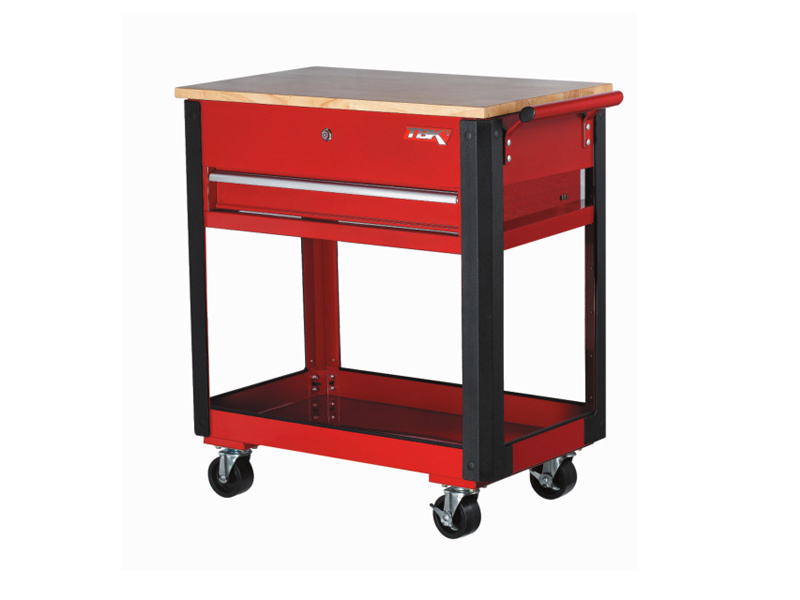
In addition to drawers, ample shelf space can store larger items or frequently used tools. This feature allows for easy access and improved workflow efficiency.
4. Organizational Features: Keeping Tools in Their Place
Organization is key in any machining environment. Look for tool carts that include:
4.1 Tool Holders and Pegboards
Integrated tool holders and pegboards allow for easy identification and access to frequently used tools. This feature reduces time spent searching for items, thus enhancing productivity.
4.2 Labeling Options
Some tool carts come with labeling capabilities, allowing you to customize storage spaces. This feature helps maintain organization over time, ensuring that every tool has its designated spot.
5. Weight Capacity: Ensuring Stability and Performance
Understanding the weight capacity of a tool cart is crucial. A cart that cannot handle the weight of your tools may lead to instability or even breakage.
5.1 Calculating Your Needs
Assess your tools' total weight before choosing a cart. Ensure the selected cart has a capacity that comfortably exceeds this total to account for any additional items you may need to store.
5.2 Stability Features
Look for carts with a wide base or additional features such as side supports to enhance stability, especially when fully loaded.
6. Features for Enhanced Functionality: Going Above and Beyond
In addition to the basic features, consider tool carts that offer enhanced functionality:
6.1 Integrated Power Outlets
Some modern tool carts come with built-in power outlets, allowing you to charge tools or run equipment directly from the cart. This feature can streamline workflow by keeping necessary power sources within arm's reach.
6.2 Foldable or Expandable Designs
Foldable or expandable tool carts offer versatility, allowing you to adjust the cart's size according to your needs. This feature is particularly beneficial in smaller workspaces.
7. Cost Considerations: Balancing Budget and Quality
While it may be tempting to choose the cheapest option, investing in a quality tool cart pays off in terms of durability and functionality.
7.1 Budget-Friendly Options
Research various brands and models to find a balance between cost and quality. Often, mid-range tool carts offer excellent features without breaking the bank.
7.2 Long-Term Investments
Consider the longevity and warranty of the cart. A cart with a longer warranty often indicates confidence from the manufacturer regarding its durability and performance.
8. Additional Features and Customization Options
Some tool carts come with additional features that enhance usability and comfort:
8.1 Ergonomic Design
Look for carts that are designed with ergonomics in mind. Features such as adjustable heights can reduce strain on your body during long work hours.
8.2 Customization Options
Some manufacturers offer customizable tool carts where you can select specific features based on your unique needs and preferences.
Frequently Asked Questions (FAQs)
1. What is the most important feature in a tool cart for machining?
The most important feature depends on your specific needs, but durability and storage capacity consistently rank high among machinists' priorities.
2. How do I maintain my tool cart for longevity?
Regularly clean your tool cart and check for any signs of wear or damage. Keeping it organized and not overloading it beyond its weight capacity also contributes to its longevity.
3. Can I use a tool cart for other purposes outside machining?
Absolutely! While designed for machining, tool carts are versatile and can be used in various industries, including woodworking, automotive, and home workshops.
4. Are there any tool carts with special features for mobile workstations?
Yes, many tool carts offer features like integrated power outlets, work surfaces, and foldable designs, making them ideal for mobile workstations.
5. What is the average price range for a quality tool cart?
The price range varies widely, but quality tool carts typically range from $150 to $600, depending on features, materials, and brand reputation.
Conclusion
Selecting the best tool cart for machining is a crucial decision that can enhance your workflow and productivity. By focusing on **durability**, **mobility**, **storage capacity**, and **additional features**, you can find a tool cart that meets your specific needs. Remember to consider your budget while ensuring that you do not compromise on quality and functionality. With the right tool cart, you can streamline your operations and create a more organized and efficient machining environment.
More information