Maximize Efficiency with a Corrosion-Resistant Stainless Steel Workbench: A Comprehensive Guide
Release time:
Jan 09,2025
Maximize Efficiency with a Corrosion-Resistant Stainless Steel Workbench Table of Contents 1. Introduction to Stainless Steel Workbenches 2. Key Benefits of Corrosion-Resistant Stainless Steel Workbenches 2.1. Durability and Longevity 2.2. Resistance to Chemical Damage 2.3. Easy Maintenance and Cleaning 2.4. Aesthetic Appeal and Versatility 3. Applications of Stainless Steel Workbenches in Manufac

Maximize Efficiency with a Corrosion-Resistant Stainless Steel Workbench
Table of Contents
1. Introduction to Stainless Steel Workbenches
2. Key Benefits of Corrosion-Resistant Stainless Steel Workbenches
2.1. Durability and Longevity
2.2. Resistance to Chemical Damage
2.3. Easy Maintenance and Cleaning
2.4. Aesthetic Appeal and Versatility
3. Applications of Stainless Steel Workbenches in Manufacturing
3.1. Food Processing Industry
3.2. Pharmaceuticals and Biotechnology
3.3. Electronics Manufacturing
4. How to Choose the Right Stainless Steel Workbench
4.1. Assessing Your Workspace Needs
4.2. Understanding Different Grades of Stainless Steel
4.3. Customization Options
5. Maintenance Tips for Stainless Steel Workbenches
6. Conclusion
7. FAQs
1. Introduction to Stainless Steel Workbenches
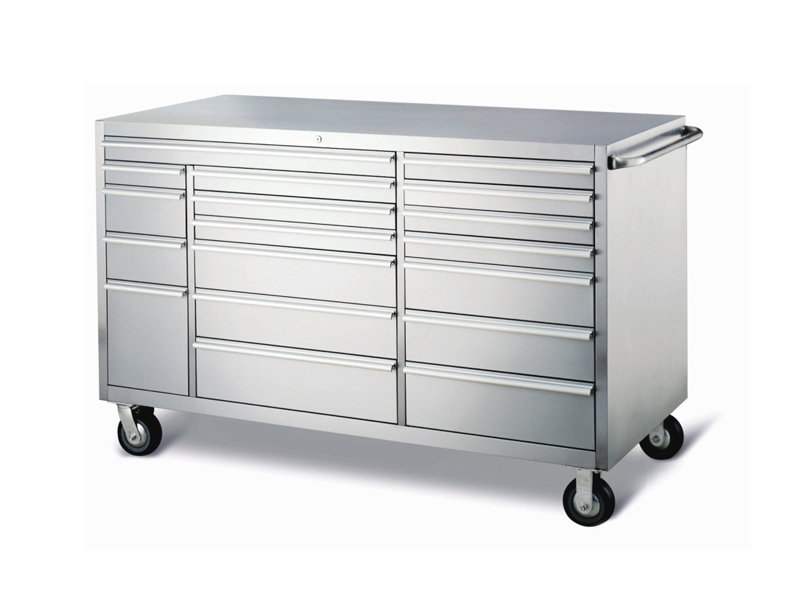
In various manufacturing environments, the choice of workbench plays a pivotal role in achieving operational efficiency. A **corrosion-resistant stainless steel workbench** serves as an essential asset, offering a robust solution that withstands the rigors of daily use. This article outlines how these workbenches can enhance productivity through durability, resistance to environmental factors, and ease of maintenance.
2. Key Benefits of Corrosion-Resistant Stainless Steel Workbenches
Understanding the core benefits of stainless steel workbenches helps in making informed decisions for your workspace.
2.1. Durability and Longevity
Stainless steel is renowned for its strength and resilience. Unlike traditional materials, stainless steel does not rust or corrode, which significantly extends the lifespan of the workbench. This durability means fewer replacements, translating to cost savings over time.
2.2. Resistance to Chemical Damage
In industrial settings, exposure to various chemicals is inevitable. Stainless steel’s inherent resistance to chemical reactions prevents degradation, making it an ideal choice for environments that handle corrosive substances. Whether in a laboratory or a manufacturing plant, this resistance protects the integrity of both the workbench and the products being worked on.
2.3. Easy Maintenance and Cleaning
Keeping a workspace clean is crucial for safety and productivity. Corrosion-resistant stainless steel workbenches require minimal maintenance. Their smooth surfaces make it easy to wipe down and sanitize, particularly important in industries like food processing and healthcare where hygiene is a top priority.
2.4. Aesthetic Appeal and Versatility
Beyond functionality, stainless steel workbenches offer a modern and sleek look that enhances the aesthetic of any workspace. Their versatility allows them to fit seamlessly into various settings, whether it's a high-tech laboratory or a rustic workshop.
3. Applications of Stainless Steel Workbenches in Manufacturing
Stainless steel workbenches are utilized across a variety of industries, each benefiting uniquely from their properties.
3.1. Food Processing Industry
In food processing, cleanliness and hygiene cannot be compromised. Stainless steel workbenches provide a safe, sanitary surface that meets food safety standards, helping to prevent contamination and maintain product quality.
3.2. Pharmaceuticals and Biotechnology
The pharmaceutical industry demands strict adherence to cleanliness and safety protocols. Stainless steel workbenches are non-porous, easy to clean, and resistant to the harsh chemicals used during the manufacturing process, making them essential in this field.
3.3. Electronics Manufacturing
In electronics assembly, static electricity can damage sensitive components. Many stainless steel workbenches can be equipped with anti-static features, reducing the risk of damage while providing a sturdy workspace.
4. How to Choose the Right Stainless Steel Workbench
Selecting the appropriate stainless steel workbench requires careful consideration of several factors.
4.1. Assessing Your Workspace Needs
Begin by evaluating your specific needs. Consider the type of work being performed, the weight capacity required, and the space available. Understanding your operational requirements will guide your selection.
4.2. Understanding Different Grades of Stainless Steel
Stainless steel comes in various grades, each suited for different environments. For instance, **304-grade stainless steel** is commonly used for food processing due to its excellent corrosion resistance, while **316-grade stainless steel** offers enhanced resistance to salt and chemicals, making it ideal for pharmaceutical applications.
4.3. Customization Options
Many manufacturers offer customization options, allowing you to tailor your workbench to fit your specific requirements. Features such as adjustable height, added shelving, or integrated storage solutions can significantly enhance your workspace's functionality.
5. Maintenance Tips for Stainless Steel Workbenches
To ensure the longevity and performance of your stainless steel workbench, regular maintenance is essential.
- **Regular Cleaning:** Utilize a mild detergent and water to clean the surface regularly. Avoid abrasive cleaners that can scratch the surface.
- **Preventing Scratches:** Always use cutting boards or mats to avoid direct contact with sharp objects.
- **Avoiding Harsh Chemicals:** While stainless steel is resistant to many chemicals, avoid using bleach or chlorine-based cleaners that can cause staining.
- **Routine Inspections:** Regularly inspect for signs of wear or damage, especially in high-use environments.
6. Conclusion
In conclusion, investing in a **corrosion-resistant stainless steel workbench** is a strategic move for any manufacturing operation aiming to maximize efficiency and productivity. With their durability, chemical resistance, and easy maintenance, these workbenches meet the demanding needs of various industries. By selecting the right type and maintaining it properly, businesses can ensure a reliable and functional workspace.
7. FAQs
1. What are the advantages of using stainless steel workbenches?
Stainless steel workbenches offer durability, resistance to corrosion and chemical damage, easy maintenance, and a modern aesthetic.
2. How do I maintain my stainless steel workbench?
Clean regularly with mild detergent, avoid abrasive cleaners, and inspect for damage periodically to maintain functionality.
3. Can stainless steel workbenches be customized?
Yes, many manufacturers offer customization options such as height adjustments and additional storage solutions.
4. What grade of stainless steel is best for food processing?
**304-grade stainless steel** is commonly used in food processing for its excellent corrosion resistance and ease of cleaning.
5. Are there any disadvantages to stainless steel workbenches?
While they are durable, stainless steel workbenches can be more expensive upfront compared to other materials. Additionally, they may be prone to scratches if not properly cared for.
More information