Essential Guide to Plastics Tool Workbenches for Efficient Manufacturing
Release time:
Jan 06,2025
--- In the manufacturing and processing industry, the choice of workbench plays a pivotal role in determining the efficiency and effectiveness of operations. One of the most noteworthy options available is the plastics tool workbench. These specialized work surfaces are designed to meet the unique demands of various manufacturing tasks while providing adaptability and durability. Plastics tool wor

---
In the manufacturing and processing industry, the choice of workbench plays a pivotal role in determining the efficiency and effectiveness of operations. One of the most noteworthy options available is the plastics tool workbench. These specialized work surfaces are designed to meet the unique demands of various manufacturing tasks while providing adaptability and durability.
Plastics tool workbenches are typically constructed from high-density polyethylene or polypropylene, materials known for their resistance to chemicals, moisture, and wear. This makes them particularly suitable for environments where traditional wooden or metal workbenches may degrade over time due to exposure to harsh substances. By using plastics, manufacturers can ensure that their workbench remains functional and reliable, even under challenging conditions.
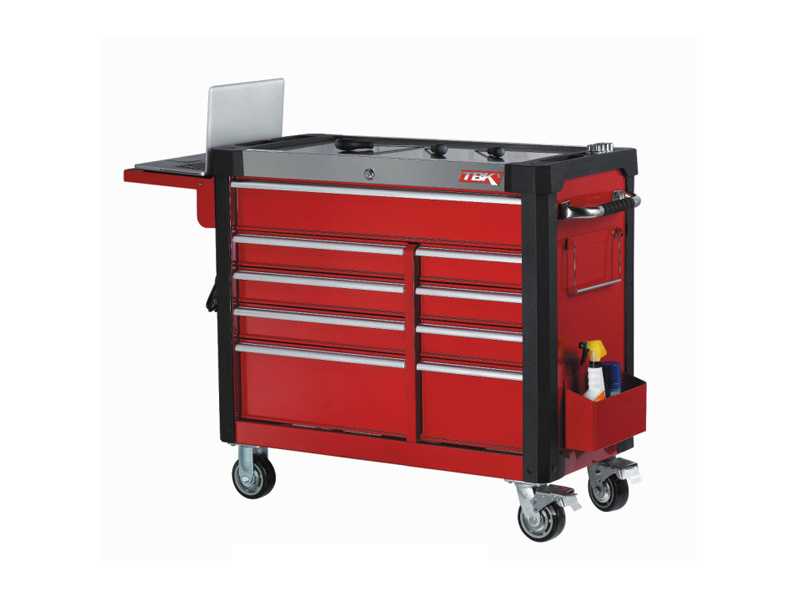
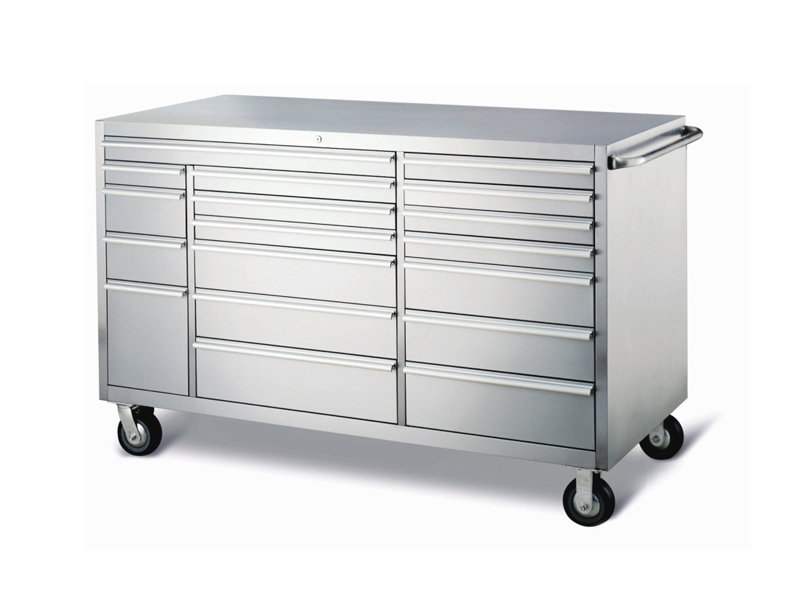
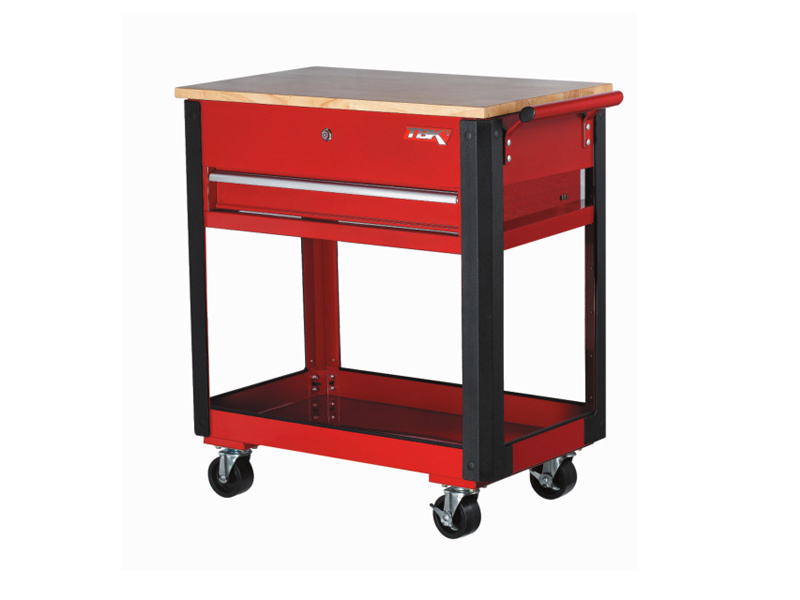
One significant advantage of plastics tool workbenches is their lightweight nature, making them easier to move and rearrange as needed. This flexibility is vital in dynamic work environments where layout changes are frequent. Additionally, many of these workbenches can be customized with various attachments and accessories, allowing for a tailored workspace that meets specific operational needs. From tool holders to shelving units, the options are virtually limitless.
Another key benefit is the ease of maintenance associated with plastics tool workbenches. Unlike traditional materials that may require extensive upkeep, plastic surfaces can often be cleaned with just soap and water. This not only saves time but also ensures a hygienic workspace, which is particularly important in industries such as electronics and food processing.
When considering the integration of plastics tool workbenches into your manufacturing setup, it’s essential to evaluate the specific requirements of your operations. Factors such as load capacity, height adjustment, and surface area should be considered to ensure that the workbench can accommodate your tools and tasks effectively.
Additionally, the incorporation of ergonomics into the design of these workbenches can further enhance productivity. Adjustable height options allow workers to switch between sitting and standing positions, reducing fatigue and promoting a more comfortable working posture. This focus on user experience can lead to improved morale and greater efficiency in task completion.
In summary, plastics tool workbenches represent a smart investment for any manufacturing facility looking to optimize its workspace. Their durable construction, ease of maintenance, and flexibility make them an ideal choice for a wide range of industries. By choosing the right features and configurations, manufacturers can create a safe and productive environment that supports their operational goals, ultimately leading to better outcomes and enhanced competitiveness in the market.
More information