Comparing Materials: Why Stainless Steel Outperforms Others in Manufacturing Machinery and Machine Tool Accessories
Release time:
Apr 01,2025
Comparing Materials: Why Stainless Steel Outperforms Others in Manufacturing Machinery and Machine Tool Accessories Introduction to Material Selection in Manufacturing In the realm of manufacturing and machine tool accessories, selecting the right materials is paramount. The choice of material not only influences the durability and functionality of machinery but also affects production costs and m

In the realm of manufacturing and machine tool accessories, selecting the right materials is paramount. The choice of material not only influences the durability and functionality of machinery but also affects production costs and maintenance needs. Among various materials available, **stainless steel** has emerged as the top choice for numerous applications. This article will explore the reasons why stainless steel outperforms alternatives like aluminum, carbon steel, and plastics in terms of durability, performance, and overall value.
Stainless steel is an alloy primarily composed of iron, carbon, and at least 10.5% chromium. This unique composition grants stainless steel its renowned **corrosion resistance**, strength, and durability.
Stainless Steel vs. Alternative Materials: A Comparative Analysis
While stainless steel is a top contender, it's essential to compare it with other materials used in manufacturing machinery and accessories.
1. Stainless Steel vs. Aluminum
Aluminum is lightweight and has excellent thermal conductivity, but it falls short in strength and corrosion resistance compared to stainless steel.
- **Durability:** Aluminum is more prone to deformation under stress, whereas stainless steel retains its shape and performance over time.
- **Corrosion Resistance:** While aluminum oxidizes, creating a protective layer, it is still vulnerable to certain environmental conditions that do not affect stainless steel.
2. Stainless Steel vs. Carbon Steel
Carbon steel is strong and affordable, but it lacks the corrosion resistance of stainless steel, making it less suitable for environments where moisture and corrosive substances are present.
- **Lifespan:** Stainless steel components can last significantly longer than carbon steel products, reducing long-term replacement costs.
- **Maintenance:** Stainless steel requires minimal maintenance, while carbon steel often needs regular coatings or treatments to prevent rust.
3. Stainless Steel vs. Plastics
Plastics are versatile and lightweight, but their use in heavy machinery is limited.
- **Mechanical Properties:** Stainless steel has superior mechanical properties, providing better structural integrity than most plastics.
- **Heat Resistance:** Plastics can deform or melt under high temperatures, while stainless steel maintains its performance.
Advantages of Using Stainless Steel in Manufacturing Machinery
The superior properties of stainless steel translate into several key advantages in the manufacturing sector.
1. Enhanced Safety and Reliability
Choosing stainless steel for machinery components ensures greater safety due to its robust nature. Unlike weaker materials, stainless steel withstands extreme conditions, minimizing the risk of equipment failure.
2. Cost-Effectiveness in the Long Run
While the initial investment in stainless steel may be higher than alternatives, its durability, low maintenance requirements, and longevity lead to significant cost savings over time. Companies can avoid frequent replacements and repairs, making stainless steel a wise financial choice.
3. Versatility Across Different Applications
Stainless steel's adaptability allows it to be used in diverse sectors, from food processing and pharmaceuticals to aerospace and automotive manufacturing. Its ability to meet stringent industry standards makes it a universal choice.
Stainless Steel in Machine Tool Accessories
In the realm of machine tool accessories, the choice of material can significantly impact performance and longevity.
1. Workbenches and Tool Storage Solutions
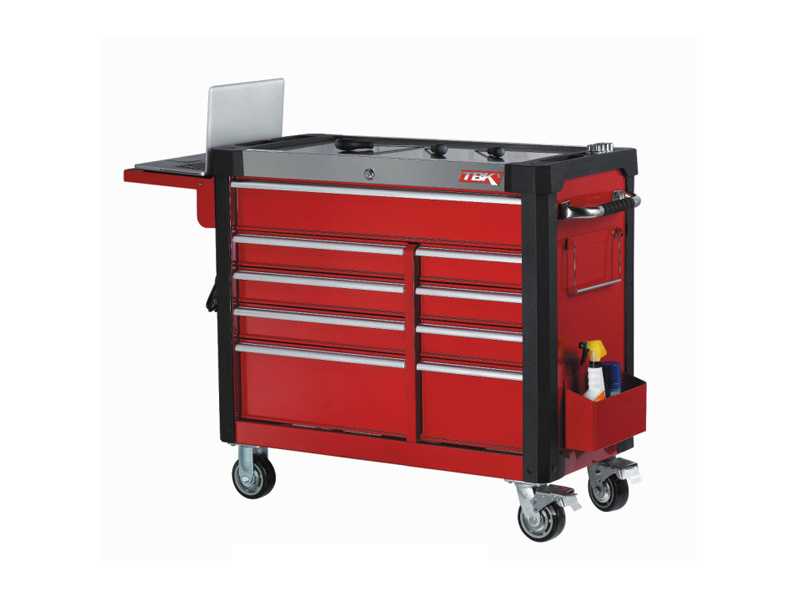
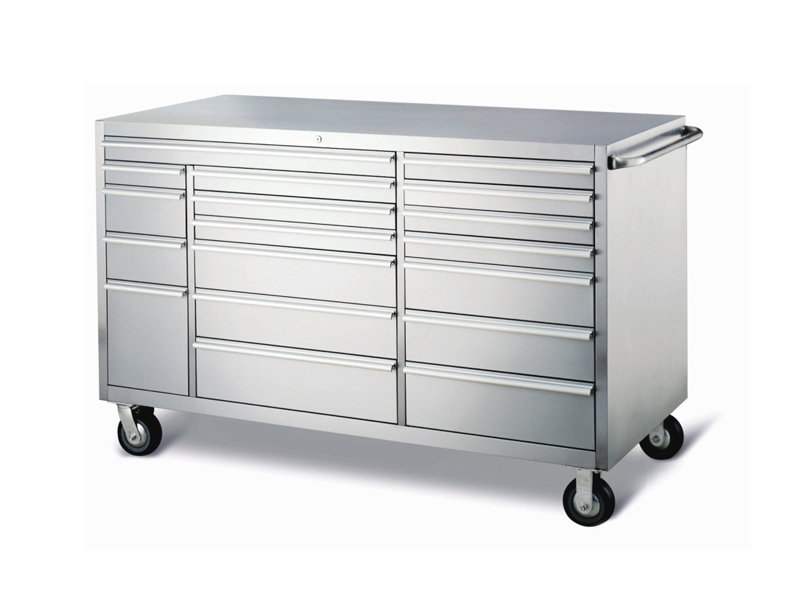
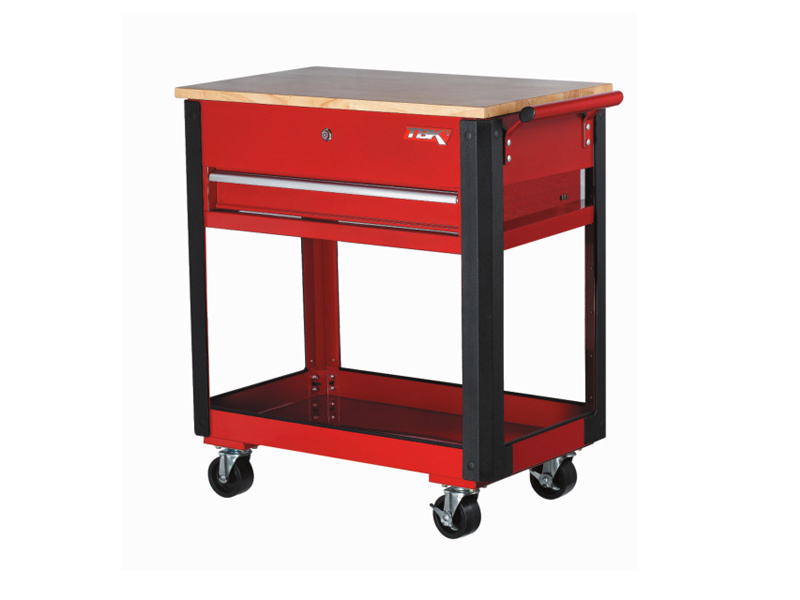
Stainless steel workbenches are favored in many manufacturing environments due to their ability to resist stains and corrosion. They provide a clean, hygienic working surface that can withstand heavy loads and rough handling.
2. Fasteners and Connectors
Stainless steel fasteners ensure strong, reliable connections that resist rust and deterioration over time. This reliability is crucial in maintaining the integrity of machinery and tools.
3. Precision Components
Components made from stainless steel offer precision and accuracy, essential for high-performance machinery. Their dimensional stability ensures that parts fit together correctly, reducing wear and enhancing functionality.
Stainless steel is not only beneficial for performance but also for the environment. Its recyclable nature ensures that it can be repurposed and reused, reducing waste. Additionally, the manufacturing process for stainless steel has become increasingly sustainable, minimizing its carbon footprint.
Stainless steel can be recycled repeatedly without losing its properties. This quality makes it an environmentally friendly choice in an era where sustainability is paramount.
The durability of stainless steel means that products made from it do not need to be replaced as often, leading to less waste and a decreased demand for raw materials.
As technology evolves, so does the use of stainless steel in manufacturing. Innovations in metallurgy and production processes are leading to even more enhanced properties, making stainless steel a future-proof choice for new applications.New treatments can enhance the performance of stainless steel, increasing its resistance to scratches, chemicals, and extreme temperatures.With the rise of smart factories, stainless steel’s reliability and performance make it an ideal material for components in automated systems and machinery.
In summary, stainless steel stands out as the superior choice for manufacturing machinery and machine tool accessories. Its unique properties, including exceptional corrosion resistance, strength, and aesthetic appeal, make it an unparalleled option compared to alternatives like aluminum, carbon steel, and plastics. The long-term cost-effectiveness, versatility, and sustainability of stainless steel further solidify its position as the material of choice in various industries. As we look toward the future, advancements in stainless steel technology will likely continue to extend its applications, ensuring its relevance in an ever-evolving manufacturing landscape.
More information