The Essential Guide to Tool Boxes in Manufacturing and Machining
Release time:
Mar 23,2025
In the manufacturing and machining sectors, having the right tools at your disposal is vital to efficiency and productivity. A well-organized tool box not only keeps your tools secure but also ensures that you can access them quickly when needed. Tool boxes come in various shapes, sizes, and materials, making them essential for both small workshops and large manufacturing facilities. One of the pr

In the manufacturing and machining sectors, having the right tools at your disposal is vital to efficiency and productivity. A well-organized tool box not only keeps your tools secure but also ensures that you can access them quickly when needed. Tool boxes come in various shapes, sizes, and materials, making them essential for both small workshops and large manufacturing facilities.
One of the primary functions of a tool box is to provide a safe and organized space for your tools. This is especially important in machining, where precision is key. Many tool boxes are designed with compartments and trays that help categorize tools according to their function, which means you can quickly find the right tool when you need it. This organization saves valuable time, reducing downtime and increasing overall productivity.
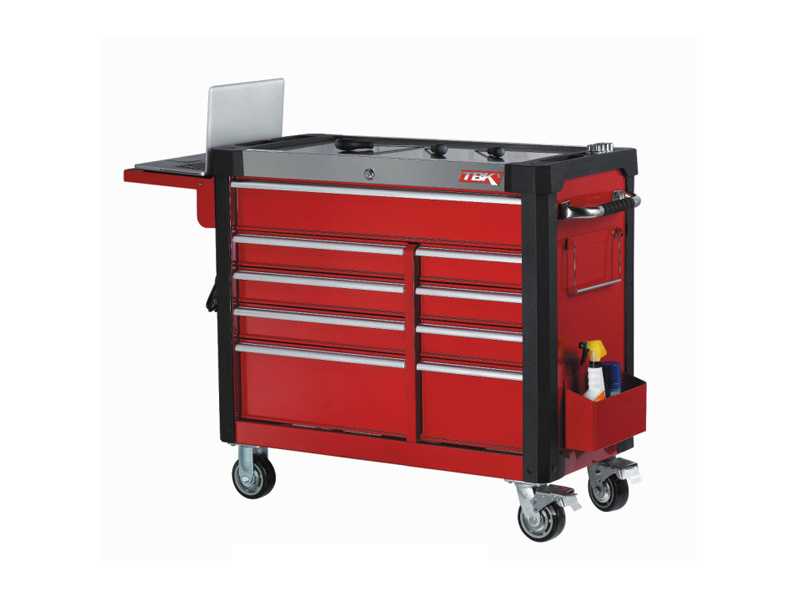
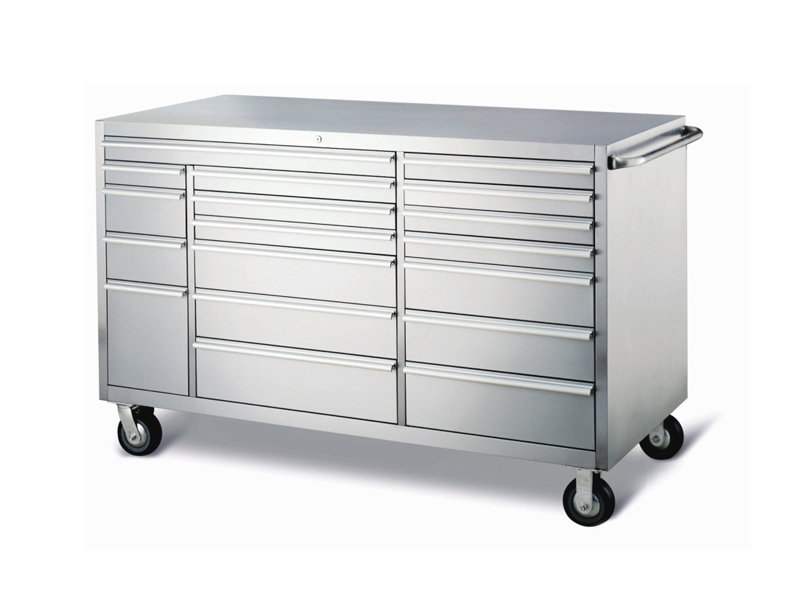
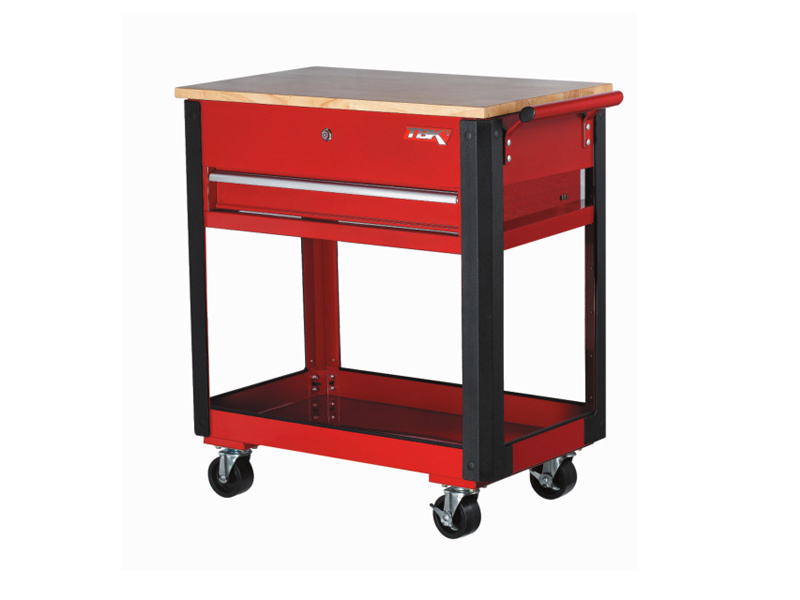
When considering the type of tool box that best fits your needs, think about the specific tools you use and how often you need to access them. Portable tool boxes are great for on-the-go applications, allowing you to transport essential tools to various job sites. On the other hand, larger stationary tool boxes can be used to house a more extensive range of tools in a single location, offering a permanent solution to tool storage.
Additionally, the material of the tool box plays a significant role in its durability and longevity. Metal tool boxes, for example, are often more robust and can withstand the rigors of a manufacturing environment. In contrast, plastic tool boxes might be lighter and easier to carry but may not offer the same level of protection. It's essential to choose a material that suits the specific conditions of your workplace.
Another critical aspect to consider is security. Many tool boxes come with locking mechanisms that protect your valuable tools from theft or unauthorized access. This feature is particularly important in large manufacturing facilities where multiple individuals may work in the same area.
Moreover, tool boxes can be customized with various inserts and organizational accessories, allowing you to tailor the space to fit your specific needs. This customization can include foam inserts that hold tools securely in place, making it easy to see when a tool is missing and ensuring that everything has its designated spot.
In summary, tool boxes are an indispensable asset in the manufacturing and machining industries. They provide organization, security, and accessibility to tools, which are crucial for maintaining productivity and safety in the workplace. By selecting the right tool box for your needs, you can enhance your workflow and ensure that your tools are always at your fingertips.
More information