How a Tool Cart Can Streamline Your Workflow in Fabrication
Release time:
Dec 16,2025
How a Tool Cart Can Streamline Your Workflow in Fabrication Introduction to Tool Carts in Fabrication In the fast-paced world of fabrication, efficiency is paramount. Whether you are working on a large-scale manufacturing project or a small custom fabrication job, having the right tools at your fingertips can significantly enhance your productivity. One of the most effective solutions to improve w

How a Tool Cart Can Streamline Your Workflow in Fabrication
Introduction to Tool Carts in Fabrication
In the fast-paced world of fabrication, efficiency is paramount. Whether you are working on a large-scale manufacturing project or a small custom fabrication job, having the right tools at your fingertips can significantly enhance your productivity. One of the most effective solutions to improve workflow is the integration of **tool carts in your manufacturing processes**. This article delves into how a tool cart can streamline your workflow, making it an indispensable asset for any fabrication environment.
Understanding the Importance of Efficient Workflow in Fabrication
Having an effective workflow is crucial for the success of any fabrication project. A well-organized workspace minimizes **downtime** and maximizes output. Here are some key reasons why efficient workflow matters:
Enhancing Productivity
When tools are neatly organized and easily accessible, fabricators can focus on their tasks without wasting time searching for equipment. **Increased productivity** often translates to better profit margins and shorter lead times.
Reducing Errors
A cluttered workspace can lead to mistakes during fabrication. Keeping tools organized reduces the likelihood of selecting the wrong equipment or misplacing essential items, thereby minimizing errors in production.
Improving Safety Standards
Safety is a top priority in any fabrication environment. A tool cart can help keep the workspace organized, reducing hazards associated with clutter. This promotes a safer working environment and helps meet regulatory safety standards.
The Role of Tool Carts in Streamlining Fabrication Processes
Tool carts are versatile and designed to improve workflow in various ways. Here’s how they can optimize your fabrication processes:
Mobility and Accessibility
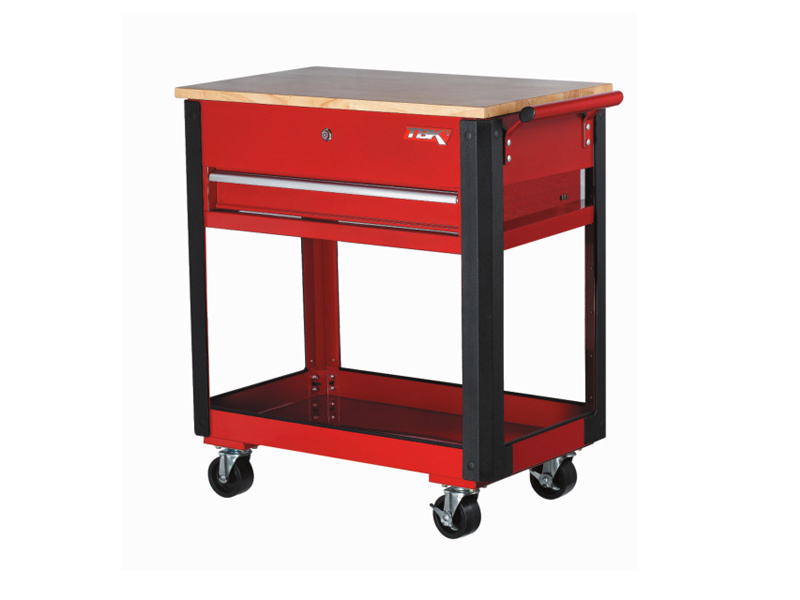
One of the most significant advantages of tool carts is their mobility. Fabricators can easily transport tools and materials from one workstation to another, reducing the need for multiple trips back and forth. This **ease of access** saves valuable time and energy.
Organization of Tools and Supplies
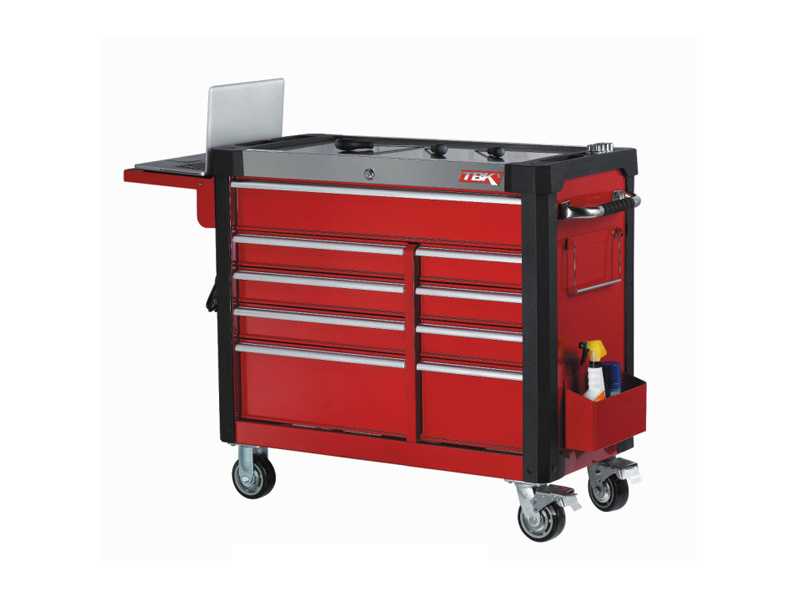
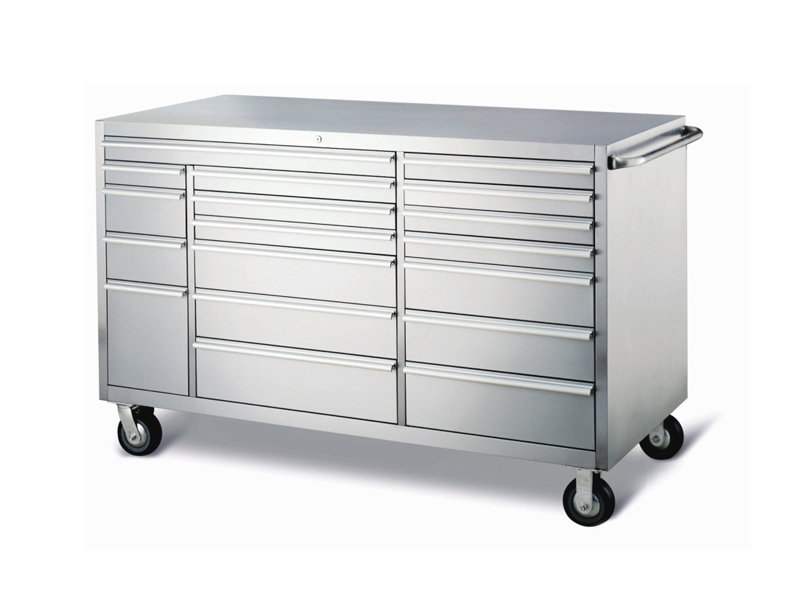
Tool carts often come equipped with multiple compartments, drawers, and shelves. This allows fabricators to store tools systematically, making it easier to locate items quickly. A well-organized tool cart can drastically reduce search times, allowing workers to focus on their tasks.
Customizable Storage Options
Many tool carts offer customizable storage solutions, enabling you to tailor the cart to your specific needs. This adaptability means you can store not only tools but also components and materials, further optimizing your workflow.
Reducing Clutter in the Workspace
A dedicated tool cart helps eliminate clutter from the workspace. By centralizing tools and supplies in one location, fabricators can maintain a tidy environment conducive to concentration and efficiency.
Features to Look for in a Quality Tool Cart
When selecting a tool cart to enhance your fabrication workflow, consider the following features:
Durability and Build Quality
Investing in a sturdy, high-quality tool cart is essential. Look for carts made from robust materials that can withstand the rigors of a fabrication environment. Steel or heavy-duty plastic carts are often ideal choices.
Weight Capacity
Ensure that the tool cart can handle the weight of your tools and supplies. A cart with a high weight capacity will be more versatile and suitable for a range of applications.
Wheels and Mobility
Opt for a cart with durable wheels that can glide smoothly over different surfaces. Locking wheels can also prevent the cart from moving unintentionally, providing stability when needed.
Ergonomic Design
Choose a tool cart that is designed with ergonomics in mind. Features such as adjustable heights and easy-to-reach compartments can enhance comfort and efficiency.
Practical Applications of Tool Carts in Fabrication
The versatility of tool carts allows fabricators to adapt them for various tasks within the fabrication process. Here are some practical applications:
Assembly Operations
In assembly operations, tool carts can serve as mobile workstations. Fabricators can keep tools and components within arm’s reach, streamlining the assembly process and reducing delays.
Maintenance and Repairs
For maintenance tasks, a tool cart can hold all necessary tools, making it easy to address repairs promptly. Being able to transport tools to different machines or work areas enhances the maintenance workflow.
Material Handling
Tool carts can also be used for handling smaller materials or parts. This makes it easier to transport these items throughout the fabrication shop, ensuring that materials are readily available when needed.
Case Studies: Success Stories of Tool Cart Implementation
Real-world examples can showcase the benefits of tool carts in fabrication settings. Here are a few case studies:
Case Study 1: Automotive Fabrication Shop
In an automotive fabrication shop, implementing tool carts reduced the time spent searching for tools by 30%. Workers reported a significant increase in productivity and a decrease in workplace accidents due to improved organization.
Case Study 2: Custom Metal Fabrication Company
A custom metal fabrication company found that by using tool carts, they could easily transport materials and tools to different workstations. This reduced downtime and facilitated smoother workflow transitions, ultimately increasing output by 20%.
Frequently Asked Questions (FAQs)
1. What is the primary benefit of using a tool cart in fabrication?
The primary benefit of using a tool cart is enhanced organization and accessibility, which leads to increased productivity and reduced errors.
2. How do I choose the right tool cart for my needs?
Consider factors such as durability, weight capacity, mobility features, and ergonomic design when selecting a tool cart that fits your specific fabrication needs.
3. Can a tool cart be customized for specific tools?
Yes, many tool carts offer customizable storage options, allowing you to tailor the cart to accommodate your specific tools and materials.
4. Are tool carts suitable for outdoor fabrication environments?
Yes, as long as you choose a cart made from weather-resistant materials, it can be used effectively in outdoor settings.
5. How can a tool cart improve workplace safety?
By reducing clutter and keeping tools organized, a tool cart minimizes hazards in the workspace, promoting a safer environment for workers.
Conclusion
Incorporating a tool cart into your fabrication workflow can lead to substantial improvements in efficiency, productivity, and safety. By investing in a quality tool cart, you can enhance organization, reduce errors, and create a more streamlined workspace. As fabrication processes continue to evolve, embracing tools that facilitate better workflow is essential. A tool cart not only addresses immediate organizational needs but also sets the foundation for future growth and efficiency in your fabrication operations.
More information